


Gifting Made Simple
Give the Gift of ChoiceClick below to purchase a Prairie Mall eGift Card that can be used at participating retailers at Prairie Mall.Buy Gift CardHome
A Perfidious Distortion of History: the Versailles Peace Treaty and success Nazis
Coles
Loading Inventory...
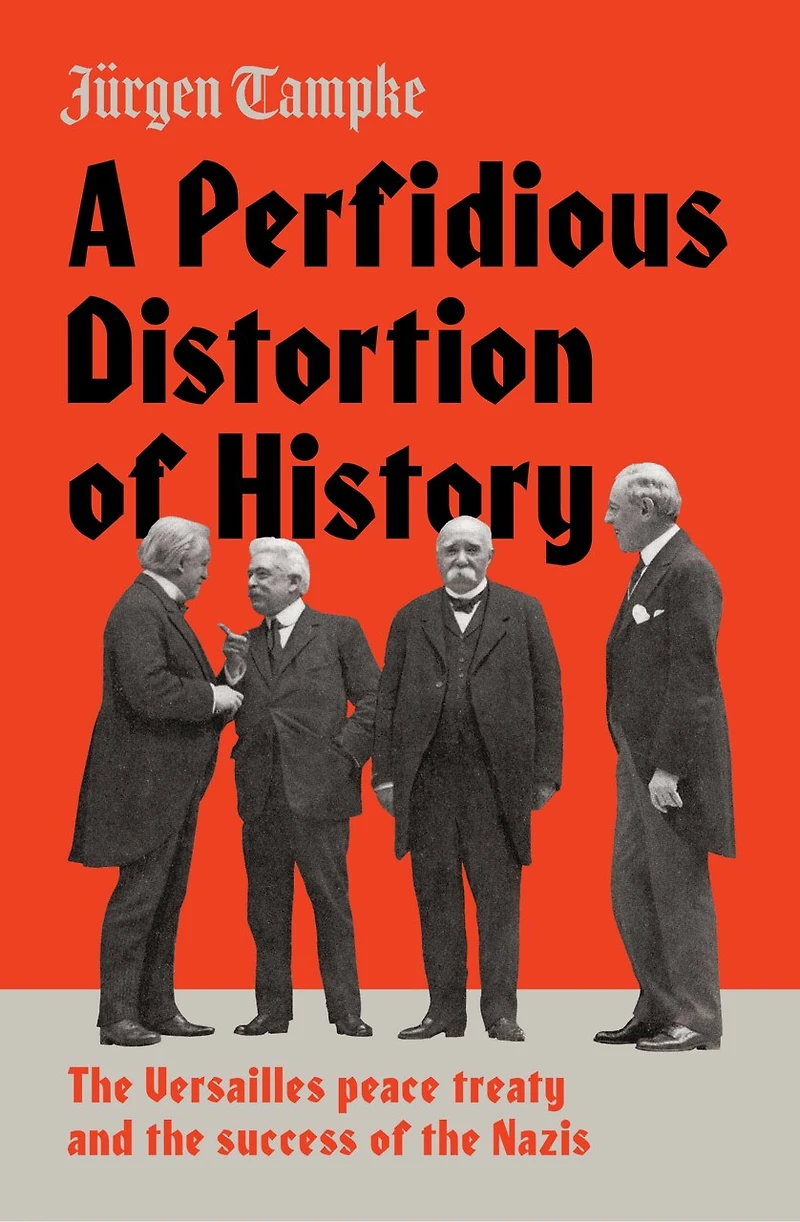
A Perfidious Distortion of History: the Versailles Peace Treaty and success Nazis in Grande Prairie, AB
Current price: $44.95
Coles
A Perfidious Distortion of History: the Versailles Peace Treaty and success Nazis in Grande Prairie, AB
Current price: $44.95
Loading Inventory...
Size: Hardcover
*Product information and pricing may vary - to confirm current pricing, availability, shipping, and return information please contact Coles. In the event of a pricing discrepancy, the retailer's price will apply.
Controversially challenges the conventional wisdom that the Versailles Peace Treaty sowed the seeds for World War II.
The Versailles Peace Treaty, the pact between Germany and the Allies that ended World War I, has not enjoyed a positive reputation since its signing in June 1919. Conventional wisdom has it that the treaty’s requirements for massive reparation payments crippled the economy of the Weimar Republic and destabilized its political life. Ultimately, it is believed, the treaty prevented the seeds of democracy sown in the aftermath of the Great War from flourishing, and drove the German people into the arms of Adolf Hitler.
In this authoritative book, Jurgen Tampke disputes this commonplace view. He argues that Germany got away with its responsibility for World War I and its behavior during it; that the treaty was nowhere near as punitive as has been long felt; that the German hyperinflation of the 1920s was at least partly a deliberate policy to minimize the cost of paying reparations; and that World War II was a continuation of Germany’s longstanding war aims.
Controversially challenges the conventional wisdom that the Versailles Peace Treaty sowed the seeds for World War II.
The Versailles Peace Treaty, the pact between Germany and the Allies that ended World War I, has not enjoyed a positive reputation since its signing in June 1919. Conventional wisdom has it that the treaty’s requirements for massive reparation payments crippled the economy of the Weimar Republic and destabilized its political life. Ultimately, it is believed, the treaty prevented the seeds of democracy sown in the aftermath of the Great War from flourishing, and drove the German people into the arms of Adolf Hitler.
In this authoritative book, Jurgen Tampke disputes this commonplace view. He argues that Germany got away with its responsibility for World War I and its behavior during it; that the treaty was nowhere near as punitive as has been long felt; that the German hyperinflation of the 1920s was at least partly a deliberate policy to minimize the cost of paying reparations; and that World War II was a continuation of Germany’s longstanding war aims.
You May Also Like











Find at Prairie Mall in Grande Prairie, AB
Visit at Prairie Mall in Grande Prairie, AB