


Gifting Made Simple
Give the Gift of ChoiceClick below to purchase a Prairie Mall eGift Card that can be used at participating retailers at Prairie Mall.Buy Gift CardHome
A New Philosophy of Society: Assemblage Theory and Social Complexity
Coles
Loading Inventory...


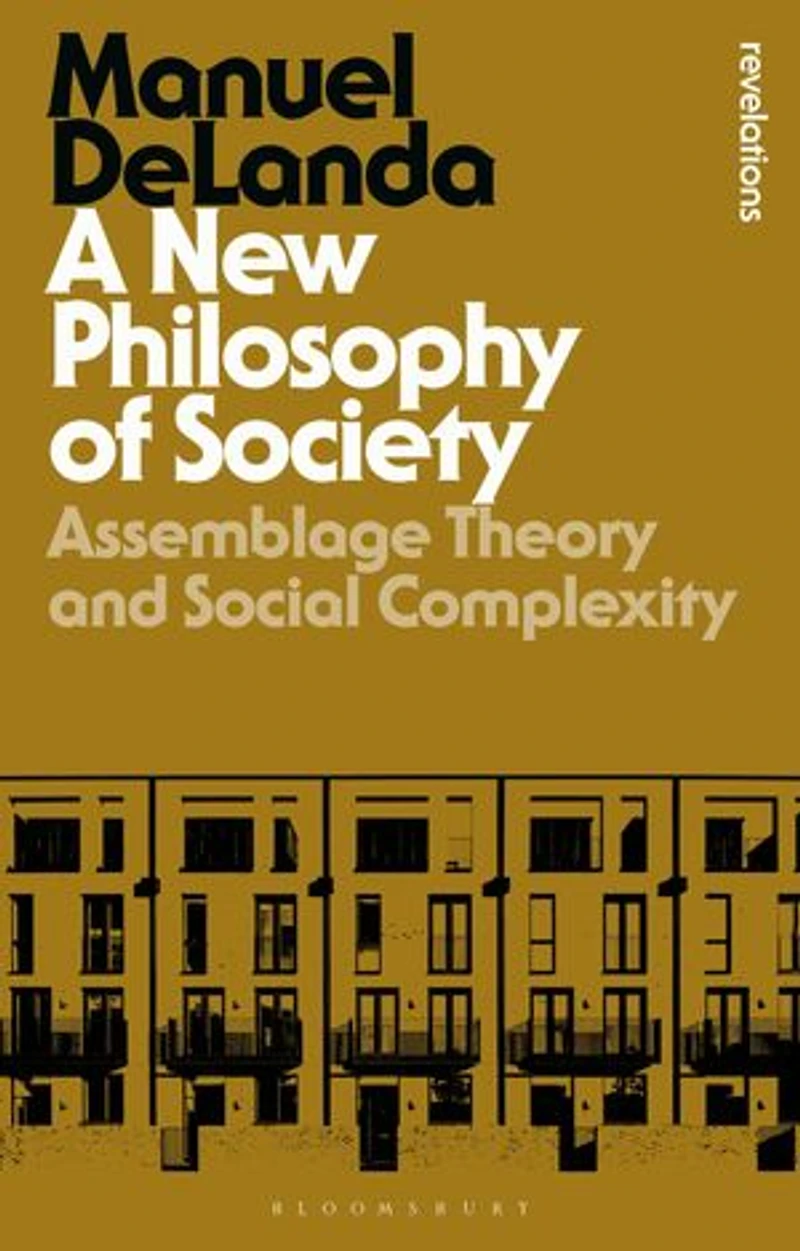

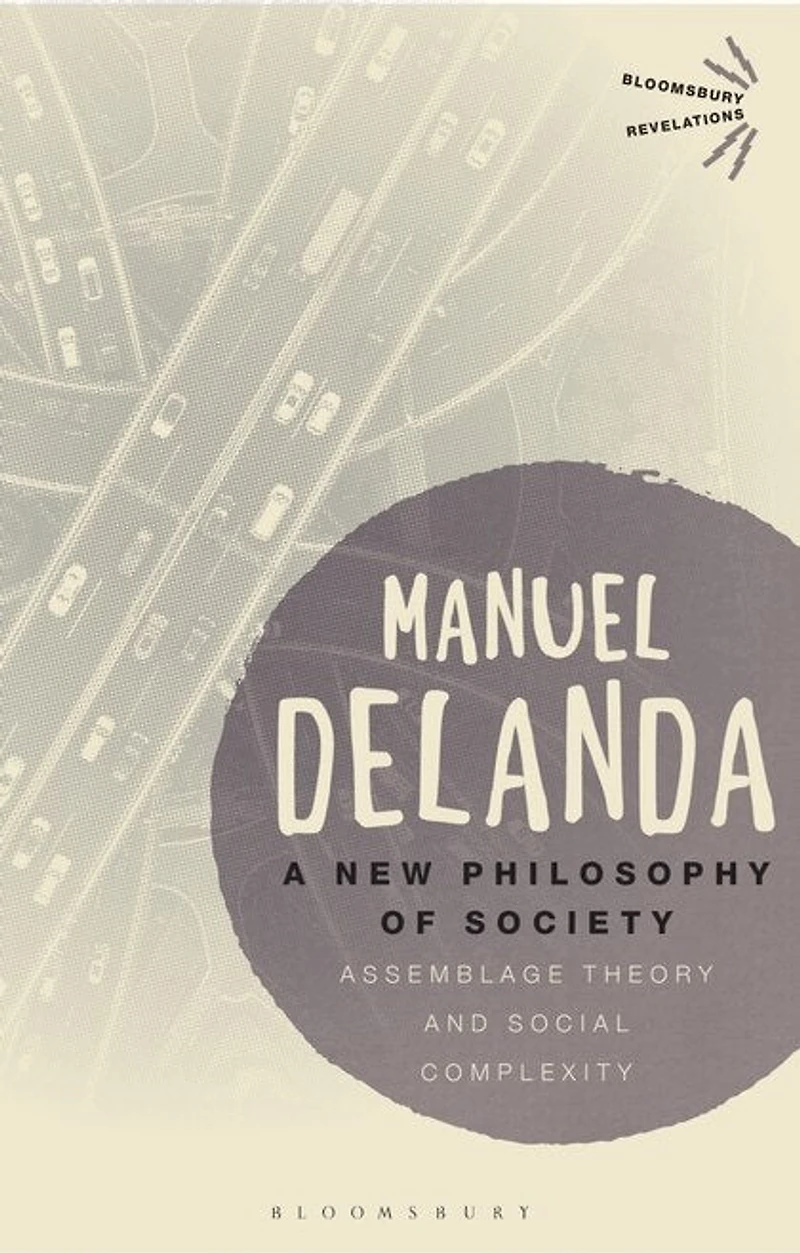
A New Philosophy of Society: Assemblage Theory and Social Complexity in Grande Prairie, AB
Current price: $277.50
Coles
A New Philosophy of Society: Assemblage Theory and Social Complexity in Grande Prairie, AB
Current price: $277.50
Loading Inventory...
Size: Hardcover
*Product information and pricing may vary - to confirm current pricing, availability, shipping, and return information please contact Coles. In the event of a pricing discrepancy, the retailer's price will apply.
In A New Philosophy of Society Manuel DeLanda offers a fascinating look at how the contemporary world is characterized by an extraordinary social complexity. Since most social entities, from small communities to large nation-states would disappear altogether if our cognitive abilities ceased to exist, DeLanda proposes a novel approach to social ontology that asserts the autonomy of social entities from the conceptions we have of them. He argues that Gilles Deleuze's theory of assemblages provides a framework in which sociologists and geographers studying social networks and regions can properly locate their work and fully elucidate the connections between them. Indeed, assemblage theory, as DeLanda argues, can be used to model any community, from interpersonal networks and institutional organizations, to central governments, cities and nation states.
In A New Philosophy of Society Manuel DeLanda offers a fascinating look at how the contemporary world is characterized by an extraordinary social complexity. Since most social entities, from small communities to large nation-states would disappear altogether if our cognitive abilities ceased to exist, DeLanda proposes a novel approach to social ontology that asserts the autonomy of social entities from the conceptions we have of them. He argues that Gilles Deleuze's theory of assemblages provides a framework in which sociologists and geographers studying social networks and regions can properly locate their work and fully elucidate the connections between them. Indeed, assemblage theory, as DeLanda argues, can be used to model any community, from interpersonal networks and institutional organizations, to central governments, cities and nation states.
You May Also Like









Find at Prairie Mall in Grande Prairie, AB
Visit at Prairie Mall in Grande Prairie, AB