


Gifting Made Simple
Give the Gift of ChoiceClick below to purchase a Prairie Mall eGift Card that can be used at participating retailers at Prairie Mall.Buy Gift CardHome
A New Genus of Pennsylvanian Fish (Crossopterygii Coelacanthiformes) from Kansas
Coles
Loading Inventory...
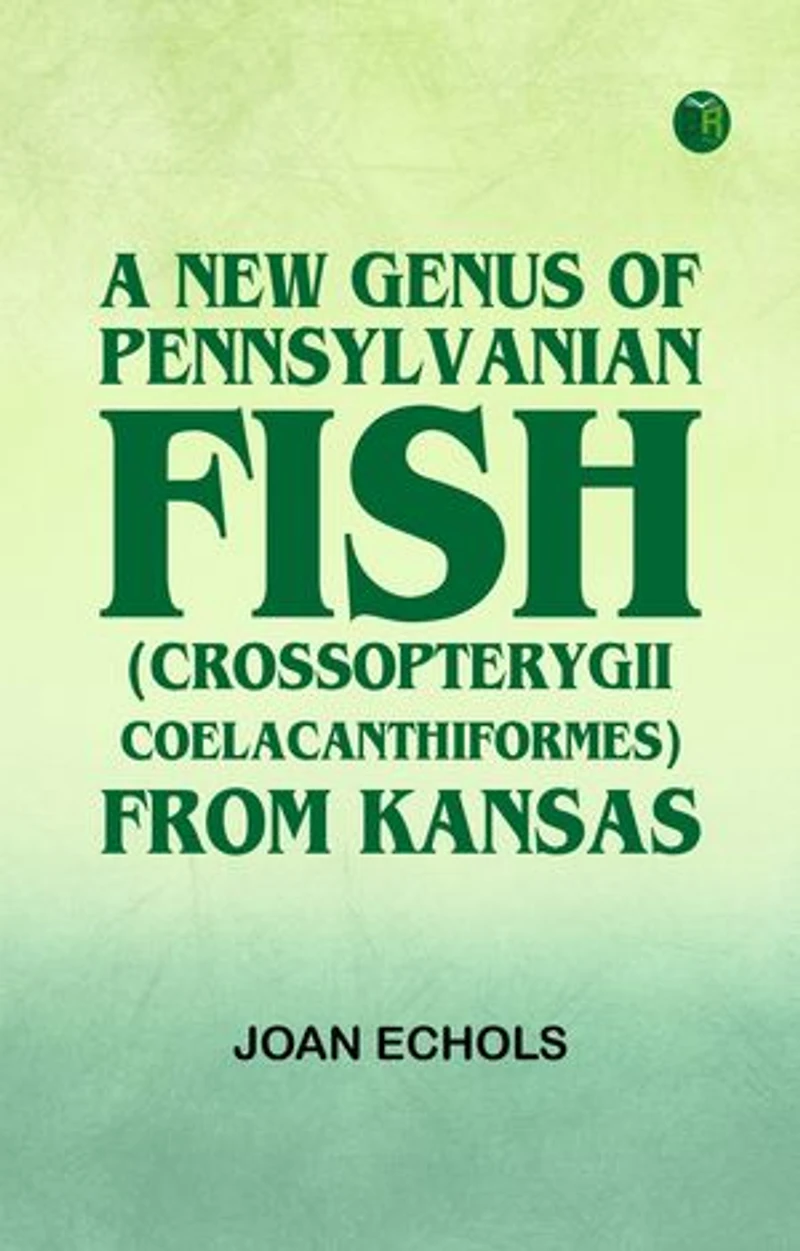
A New Genus of Pennsylvanian Fish (Crossopterygii Coelacanthiformes) from Kansas
By None
Current price: $1.99
Coles
A New Genus of Pennsylvanian Fish (Crossopterygii Coelacanthiformes) from Kansas
By None
Current price: $1.99
Loading Inventory...
Size: Kobo eBook
*Product information and pricing may vary - to confirm current pricing, availability, shipping, and return information please contact Coles. In the event of a pricing discrepancy, the retailer's price will apply.
In this study, Joan Echols presents findings related to a new genus of fish that belongs to the subclass Crossopterygii, which includes the ancient coelacanths. The research is based on fossil specimens discovered in Kansas, providing valuable insights into the diversity of fish during the Pennsylvanian epoch.Echols meticulously describes the morphological characteristics of the new genus, including details of its skeletal structure, fin arrangement, and unique features that differentiate it from previously known genera. The paper emphasizes the evolutionary significance of these fish, particularly in understanding the transition of vertebrates from aquatic to terrestrial environments.The research also discusses the ecological context of the fossils, suggesting how these fish may have adapted to their environments and contributed to the complex ecosystems of the time. By expanding the known diversity of Pennsylvanian fish, Echols’ work enhances the understanding of vertebrate evolution and the ecological dynamics of ancient aquatic habitats.
In this study, Joan Echols presents findings related to a new genus of fish that belongs to the subclass Crossopterygii, which includes the ancient coelacanths. The research is based on fossil specimens discovered in Kansas, providing valuable insights into the diversity of fish during the Pennsylvanian epoch.Echols meticulously describes the morphological characteristics of the new genus, including details of its skeletal structure, fin arrangement, and unique features that differentiate it from previously known genera. The paper emphasizes the evolutionary significance of these fish, particularly in understanding the transition of vertebrates from aquatic to terrestrial environments.The research also discusses the ecological context of the fossils, suggesting how these fish may have adapted to their environments and contributed to the complex ecosystems of the time. By expanding the known diversity of Pennsylvanian fish, Echols’ work enhances the understanding of vertebrate evolution and the ecological dynamics of ancient aquatic habitats.
You May Also Like










More About Coles at Prairie Mall
11801 100 St #104, Grande Prairie, AB T8V 3Y2, Canada
Find Coles at Prairie Mall in Grande Prairie, AB
Visit Coles at Prairie Mall in Grande Prairie, AB