


Gifting Made Simple
Give the Gift of ChoiceClick below to purchase a Prairie Mall eGift Card that can be used at participating retailers at Prairie Mall.Buy Gift CardHome
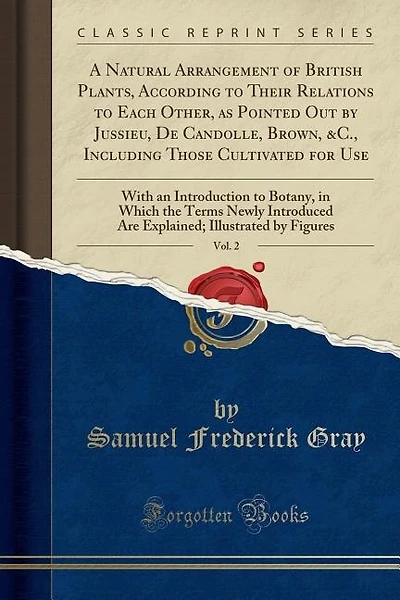
A Natural Arrangement of British Plants, According to Their Relations to Each Other, as Pointed Out by Jussieu, De Candolle, Brown, &C., Including Those Cultivated for Use, Vol. 1: With an Introduction to Botany, in Which the Terms Newly Introduced Are Ex
Coles
Loading Inventory...
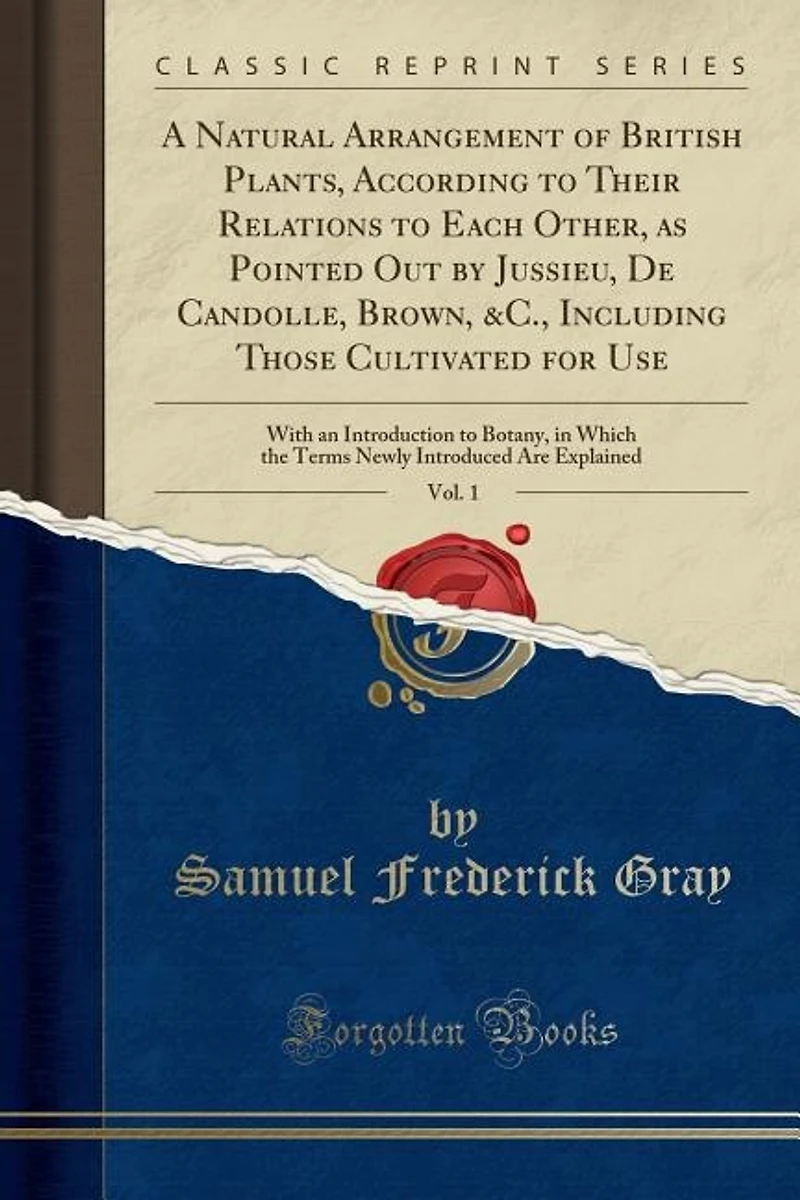
A Natural Arrangement of British Plants, According to Their Relations to Each Other, as Pointed Out by Jussieu, De Candolle, Brown, &C., Including Those Cultivated for Use, Vol. 1: With an Introduction to Botany, in Which the Terms Newly Introduced Are Ex in Grande Prairie, AB
Current price: $32.50
Coles
A Natural Arrangement of British Plants, According to Their Relations to Each Other, as Pointed Out by Jussieu, De Candolle, Brown, &C., Including Those Cultivated for Use, Vol. 1: With an Introduction to Botany, in Which the Terms Newly Introduced Are Ex in Grande Prairie, AB
Current price: $32.50
Loading Inventory...
Size: Paperback
*Product information and pricing may vary - to confirm current pricing, availability, shipping, and return information please contact Coles. In the event of a pricing discrepancy, the retailer's price will apply.
Excerpt from A Natural Arrangement of British Plants, According to Their Relations to Each Other, as Pointed Out by Jussieu, De Candolle, Brown, &C., Including Those Cultivated for Use, Vol. 1: With an Introduction to Botany, in Which the Terms Newly Introduced Are Explained As to the economical or general use of botany, althou h it be of course more varied than the medical less need e said about it. Our houses are principally built and fur nished from the vegetable kingdom of nature; and this is also the case with ships and other vessels: plants furnish us with a very considerable part of our: clothing; this clothing, and the ornamental drapery of our houses, is dyed of Various colours by different ve etables. Hence the study'of that Science which exhibits filese various uses cannot but be instructive to 'all. About the Publisher Forgotten Books publishes hundreds of thousands of rare and classic books. Find more at www.forgottenbooks.com This book is a reproduction of an important historical work. Forgotten Books uses state-of-the-art technology to digitally reconstruct the work, preserving the original format whilst repairing imperfections present in the aged copy. In rare cases, an imperfection in the original, such as a blemish or missing page, may be replicated in our edition. We do, however, repair the vast majority of imperfections successfully; any imperfections that remain are intentionally left to preserve the state of such historical works.
Excerpt from A Natural Arrangement of British Plants, According to Their Relations to Each Other, as Pointed Out by Jussieu, De Candolle, Brown, &C., Including Those Cultivated for Use, Vol. 1: With an Introduction to Botany, in Which the Terms Newly Introduced Are Explained As to the economical or general use of botany, althou h it be of course more varied than the medical less need e said about it. Our houses are principally built and fur nished from the vegetable kingdom of nature; and this is also the case with ships and other vessels: plants furnish us with a very considerable part of our: clothing; this clothing, and the ornamental drapery of our houses, is dyed of Various colours by different ve etables. Hence the study'of that Science which exhibits filese various uses cannot but be instructive to 'all. About the Publisher Forgotten Books publishes hundreds of thousands of rare and classic books. Find more at www.forgottenbooks.com This book is a reproduction of an important historical work. Forgotten Books uses state-of-the-art technology to digitally reconstruct the work, preserving the original format whilst repairing imperfections present in the aged copy. In rare cases, an imperfection in the original, such as a blemish or missing page, may be replicated in our edition. We do, however, repair the vast majority of imperfections successfully; any imperfections that remain are intentionally left to preserve the state of such historical works.
You May Also Like













Find at Prairie Mall in Grande Prairie, AB
Visit at Prairie Mall in Grande Prairie, AB