


Gifting Made Simple
Give the Gift of ChoiceClick below to purchase a Prairie Mall eGift Card that can be used at participating retailers at Prairie Mall.Buy Gift CardHome
A Narnian Vision of the Atonement: Defense Ransom Theory
Coles
Loading Inventory...
A Narnian Vision of the Atonement: Defense Ransom Theory in Grande Prairie, AB
Current price: $50.00
Coles
A Narnian Vision of the Atonement: Defense Ransom Theory in Grande Prairie, AB
Current price: $50.00
Loading Inventory...
Size: Hardcover
*Product information and pricing may vary - to confirm current pricing, availability, shipping, and return information please contact Coles. In the event of a pricing discrepancy, the retailer's price will apply.
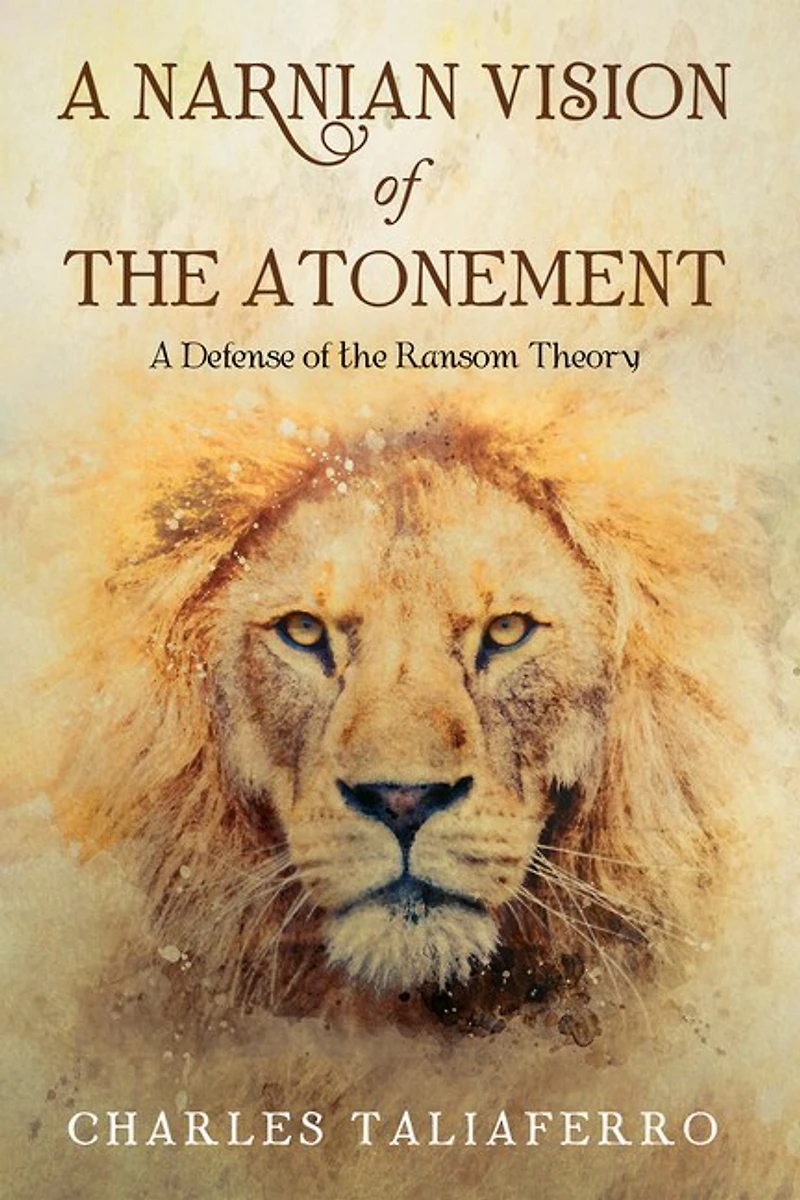
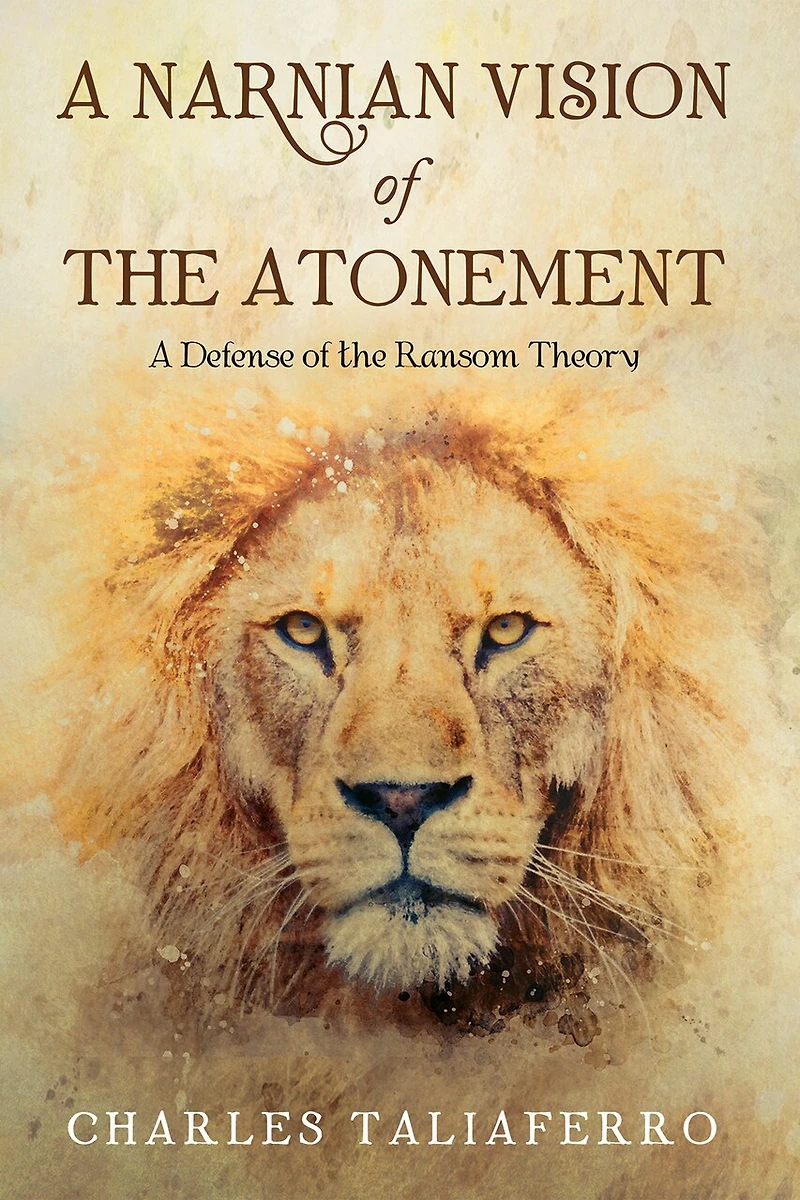
How can we have redemption or atonement (at-one-ment) with God? Ancient Christians proposed a ransom theory, according to which God pays the ransom for us through heroic self-sacrifice so we can be liberated from the power of the demonic, sin, and death. This theory is widely rejected by philosophers and theologians, yet C. S. Lewis boldly portrays atonement in precisely such terms in his seven-volume The Chronicles of Narnia. In this book, philosopher Charles Taliaferro defends the integrity and beauty of redemption in these stories and offers a Narnia-inspired Christian theory of atonement. He writes for those intrigued by Lewis's imaginary world of Narnia and for those interested in thinking about temptation, how wrongdoing may be overcome, confession, repentance, forgiveness and reconciliation, restitution, death, resurrection, and personal transformation. Taliaferro argues that Lewis's work is no mere entertaining fairytale for children but an important lens through which to view deep themes of redemption and atonement, and all the vital stages involved in overcoming evil with the superabundant good of God's loving self-sacrifice.
How can we have redemption or atonement (at-one-ment) with God? Ancient Christians proposed a ransom theory, according to which God pays the ransom for us through heroic self-sacrifice so we can be liberated from the power of the demonic, sin, and death. This theory is widely rejected by philosophers and theologians, yet C. S. Lewis boldly portrays atonement in precisely such terms in his seven-volume The Chronicles of Narnia. In this book, philosopher Charles Taliaferro defends the integrity and beauty of redemption in these stories and offers a Narnia-inspired Christian theory of atonement. He writes for those intrigued by Lewis's imaginary world of Narnia and for those interested in thinking about temptation, how wrongdoing may be overcome, confession, repentance, forgiveness and reconciliation, restitution, death, resurrection, and personal transformation. Taliaferro argues that Lewis's work is no mere entertaining fairytale for children but an important lens through which to view deep themes of redemption and atonement, and all the vital stages involved in overcoming evil with the superabundant good of God's loving self-sacrifice.
You May Also Like


![Alciphron: Or, the Minute Philosopher, in Seven Dialogues. [With] an Essay Towards a New Theory of Vision](https://cdn.mall.adeptmind.ai/https%253A%252F%252Fcdn.shopify.com%252Fs%252Ffiles%252F1%252F0655%252F8980%252F5233%252Ffiles%252F1_b1bf9498-6738-4ee9-ba78-a6818e18c57f.jpg_medium.webp)










Find at Prairie Mall in Grande Prairie, AB
Visit at Prairie Mall in Grande Prairie, AB