


Gifting Made Simple
Give the Gift of ChoiceClick below to purchase a Prairie Mall eGift Card that can be used at participating retailers at Prairie Mall.Buy Gift CardHome
A Movement in Words: A History of Equal Rights in the Supreme Court
Coles
Loading Inventory...
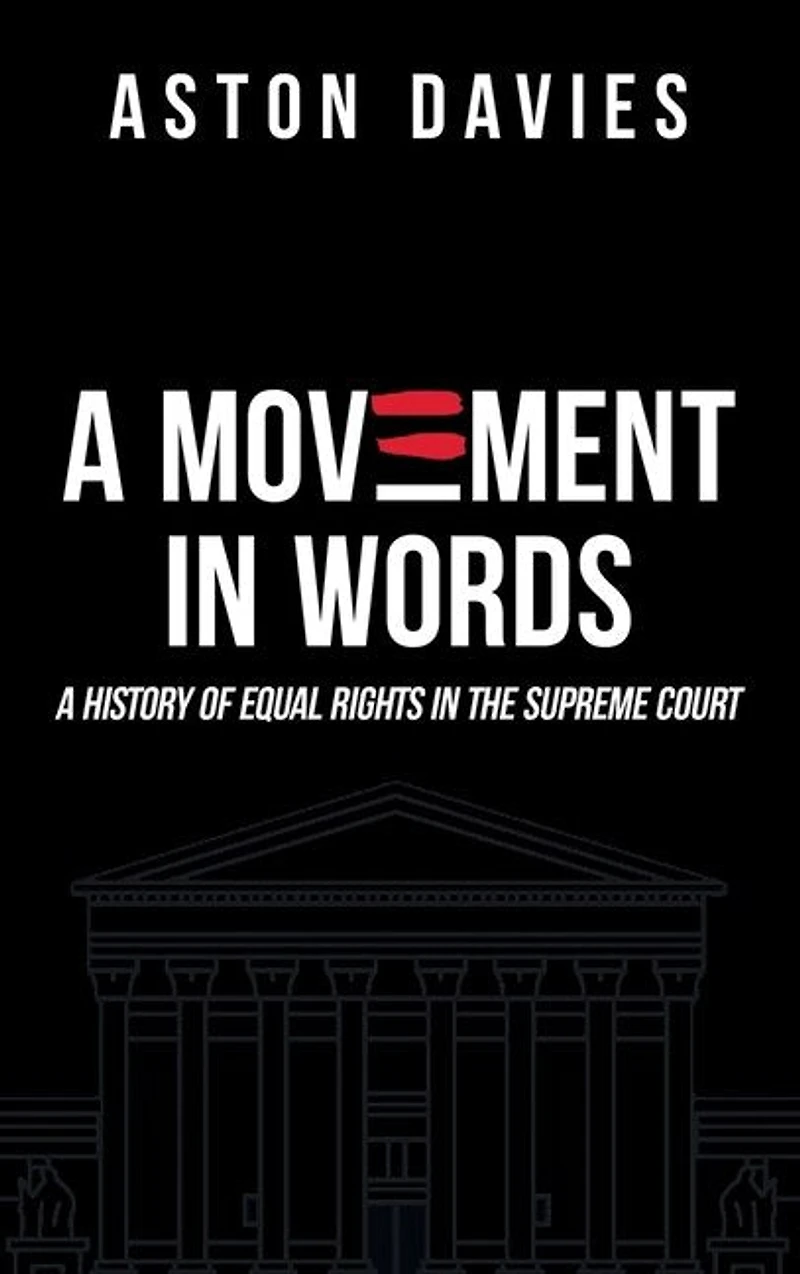
A Movement in Words: A History of Equal Rights in the Supreme Court
By None
Current price: $30.00
Coles
A Movement in Words: A History of Equal Rights in the Supreme Court
By None
Current price: $30.00
Loading Inventory...
Size: Hardcover
*Product information and pricing may vary - to confirm current pricing, availability, shipping, and return information please contact Coles. In the event of a pricing discrepancy, the retailer's price will apply.
The Supreme Court stands as the most powerful court in the nation and bears the ultimate say on law and the interpretation of the Constitution. As the Court has become a dominant force in political direction, the progression of equal rights has been largely guided by their rulings in monumental cases. These cases outline a broader history of equal rights and how the Court's judicial power has been used to overcome barriers that inhibited blacks, women, and members of the LGBTQ community from accessing the rights established within the Constitution. Despite the progress the nation has made, recent cases outline the importance of continuing this fight for minority populations and the work that remains in the Supreme Court to create a more just society. As said by Justice Ruth Bader Ginsburg, although the Court may bear a blind spot today, with "its eyes open tomorrow" progress can continue to be achieved and U.S. values can be instilled in society.
The Supreme Court stands as the most powerful court in the nation and bears the ultimate say on law and the interpretation of the Constitution. As the Court has become a dominant force in political direction, the progression of equal rights has been largely guided by their rulings in monumental cases. These cases outline a broader history of equal rights and how the Court's judicial power has been used to overcome barriers that inhibited blacks, women, and members of the LGBTQ community from accessing the rights established within the Constitution. Despite the progress the nation has made, recent cases outline the importance of continuing this fight for minority populations and the work that remains in the Supreme Court to create a more just society. As said by Justice Ruth Bader Ginsburg, although the Court may bear a blind spot today, with "its eyes open tomorrow" progress can continue to be achieved and U.S. values can be instilled in society.
You May Also Like








More About Coles at Prairie Mall
11801 100 St #104, Grande Prairie, AB T8V 3Y2, Canada
Find Coles at Prairie Mall in Grande Prairie, AB
Visit Coles at Prairie Mall in Grande Prairie, AB