


Gifting Made Simple
Give the Gift of ChoiceClick below to purchase a Prairie Mall eGift Card that can be used at participating retailers at Prairie Mall.Buy Gift CardHome
A Mom Like That: Memoir of Postpartum Psychosis
Coles
Loading Inventory...
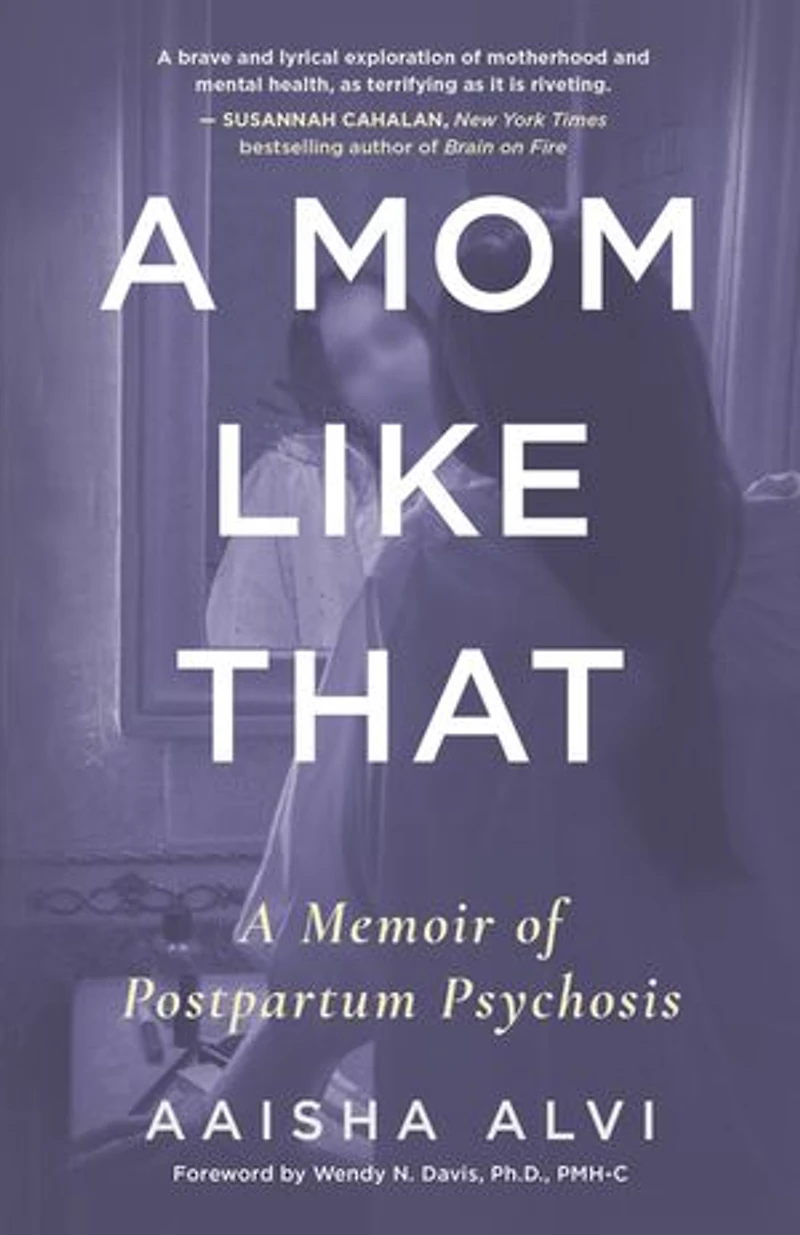
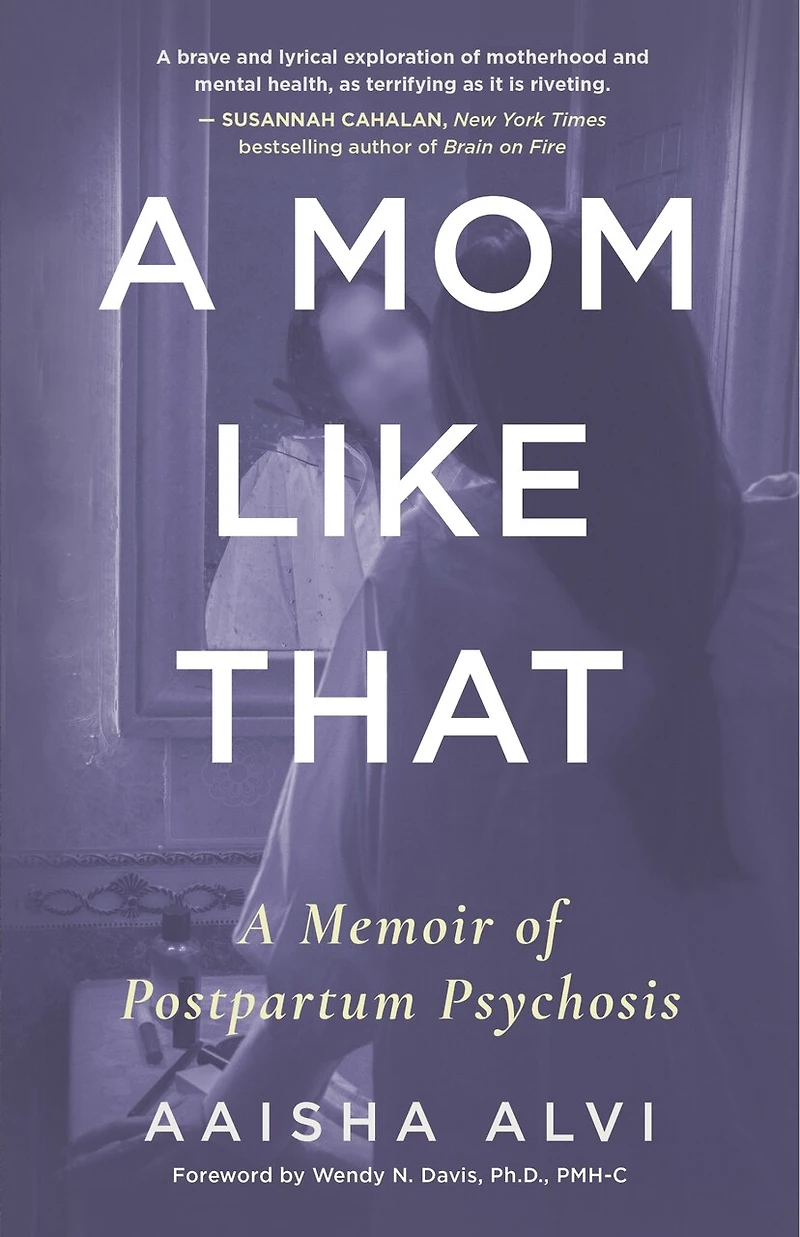
A Mom Like That: Memoir of Postpartum Psychosis in Grande Prairie, AB
Current price: $9.89
Original price: $11.99
Coles
A Mom Like That: Memoir of Postpartum Psychosis in Grande Prairie, AB
Current price: $9.89
Original price: $11.99
Loading Inventory...
Size: Kobo eBook
*Product information and pricing may vary - to confirm current pricing, availability, shipping, and return information please contact Coles. In the event of a pricing discrepancy, the retailer's price will apply.
“A brave and lyrical exploration of motherhood and mental health … as terrifying as it is riveting.” — Susannah Cahalan, NYT bestselling author of Brain on Fire
Early motherhood is supposed to be joyous, but for Aaisha Alvi, those early days were ruined by terrifying, delusional thoughts about her baby and family. Far beyond the trials of breastfeeding and getting her baby to sleep, Aaisha’s experience was the antithesis of everything she had ever been told about motherhood.
When her second pregnancy ended in miscarriage, Aaisha’s psychosis returned. This time, however, she was blindsided by the unimaginable: voices urging her to stab her daughter and to harm innocent people. Aaisha felt evil, worthy of taking her own life. But each time she sought medical help, she was turned away.
With unflinching honesty, Aaisha takes readers beyond the vitriol and blame flung at women — particularly women of colour — suffering from postpartum psychosis. Her story is a clarion call to increase awareness of a condition that need never result in tragedy and to build support for those affected by it.
“A brave and lyrical exploration of motherhood and mental health … as terrifying as it is riveting.” — Susannah Cahalan, NYT bestselling author of Brain on Fire
Early motherhood is supposed to be joyous, but for Aaisha Alvi, those early days were ruined by terrifying, delusional thoughts about her baby and family. Far beyond the trials of breastfeeding and getting her baby to sleep, Aaisha’s experience was the antithesis of everything she had ever been told about motherhood.
When her second pregnancy ended in miscarriage, Aaisha’s psychosis returned. This time, however, she was blindsided by the unimaginable: voices urging her to stab her daughter and to harm innocent people. Aaisha felt evil, worthy of taking her own life. But each time she sought medical help, she was turned away.
With unflinching honesty, Aaisha takes readers beyond the vitriol and blame flung at women — particularly women of colour — suffering from postpartum psychosis. Her story is a clarion call to increase awareness of a condition that need never result in tragedy and to build support for those affected by it.
You May Also Like











Find at Prairie Mall in Grande Prairie, AB
Visit at Prairie Mall in Grande Prairie, AB