


Gifting Made Simple
Give the Gift of ChoiceClick below to purchase a Prairie Mall eGift Card that can be used at participating retailers at Prairie Mall.Buy Gift CardHome
A Long Way from Home
Coles
Loading Inventory...
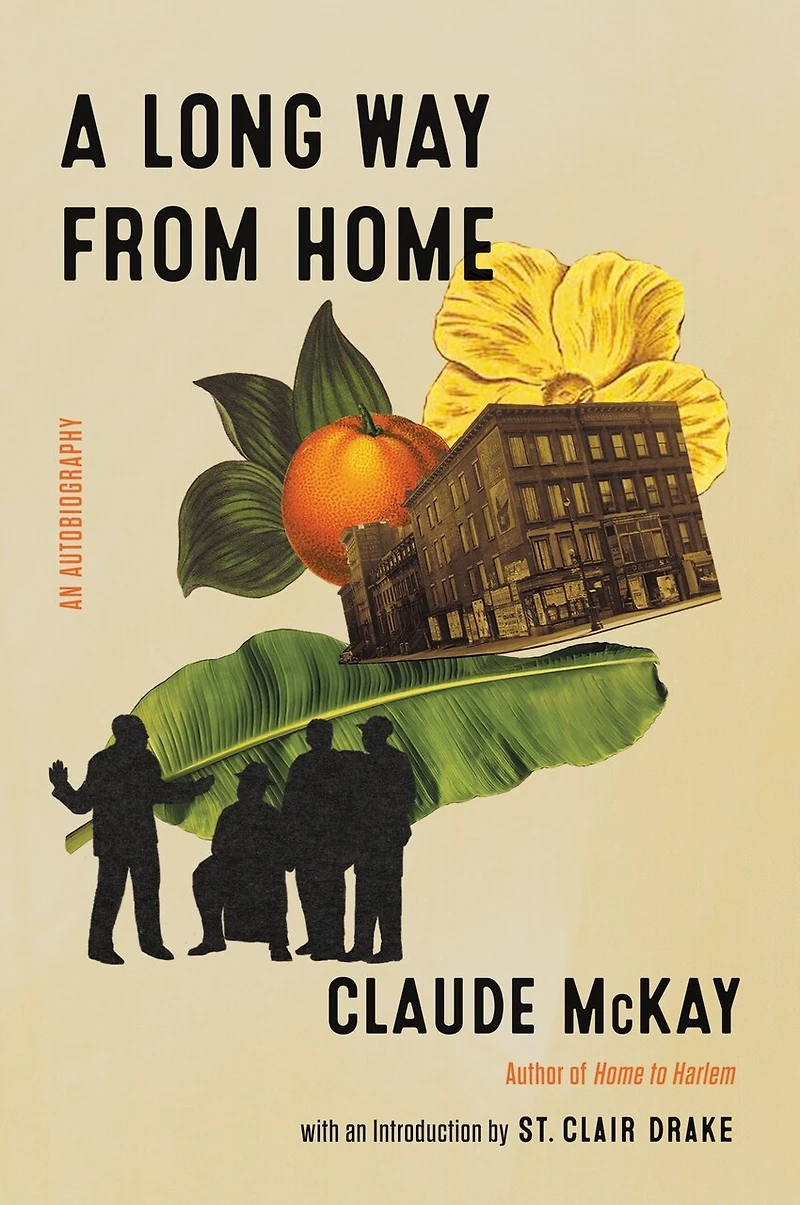
A Long Way from Home in Grande Prairie, AB
Current price: $24.99
Coles
A Long Way from Home in Grande Prairie, AB
Current price: $24.99
Loading Inventory...
Size: Paperback
*Product information and pricing may vary - to confirm current pricing, availability, shipping, and return information please contact Coles. In the event of a pricing discrepancy, the retailer's price will apply.
From one of the most significant figures of the Harlem Renaissance comes a narrative defining book chronicling his life from Jamaica to New York City Claude McKay’s long odyssey from Jamaica to Harlem, Europe, North Africa, Russia, and back to America is chronicled in this autobiography of the most militant writers to emerge from the New Negro movement following World War I. Whether in the intellectual circles of Harlem and Greenwich Village, the docks of Marseilles, or the inner circles of post-revolutionary Russia, McKay’s contact with such figures as Frank Harris, Max Eastman, George Bernard Shaw, W.E.B Dubois, James Weldon Johnson, Charles Chaplin, H.G Wells, Sinclair Lewis, Trotsky, and Radek all served to advance those views which would be so widely accepted in the 1960—Black Pride, self-determination, and the necessity for Black culture to define itself.
From one of the most significant figures of the Harlem Renaissance comes a narrative defining book chronicling his life from Jamaica to New York City Claude McKay’s long odyssey from Jamaica to Harlem, Europe, North Africa, Russia, and back to America is chronicled in this autobiography of the most militant writers to emerge from the New Negro movement following World War I. Whether in the intellectual circles of Harlem and Greenwich Village, the docks of Marseilles, or the inner circles of post-revolutionary Russia, McKay’s contact with such figures as Frank Harris, Max Eastman, George Bernard Shaw, W.E.B Dubois, James Weldon Johnson, Charles Chaplin, H.G Wells, Sinclair Lewis, Trotsky, and Radek all served to advance those views which would be so widely accepted in the 1960—Black Pride, self-determination, and the necessity for Black culture to define itself.
You May Also Like



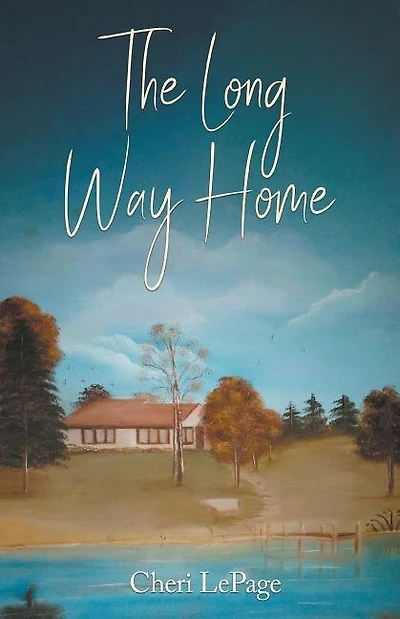








Find at Prairie Mall in Grande Prairie, AB
Visit at Prairie Mall in Grande Prairie, AB