


Gifting Made Simple
Give the Gift of ChoiceClick below to purchase a Prairie Mall eGift Card that can be used at participating retailers at Prairie Mall.Buy Gift CardHome
A Kill Is a Kill: Asymmetrically Attacking US Airpower
Coles
Loading Inventory...
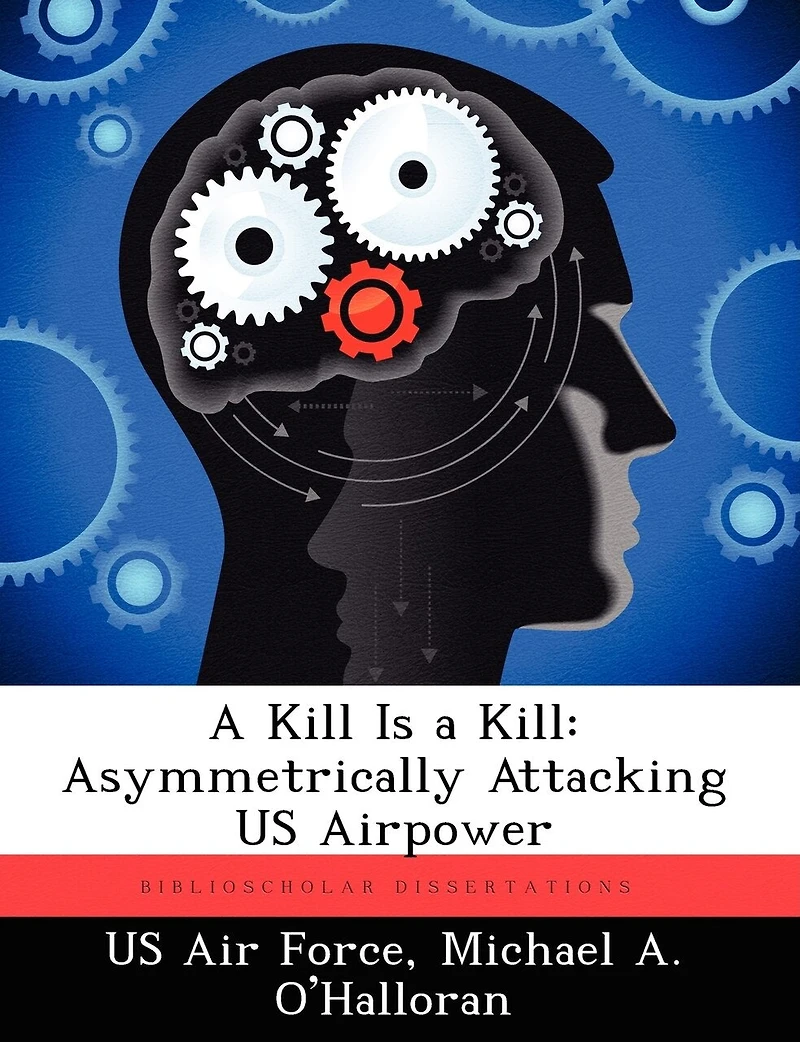
A Kill Is a Kill: Asymmetrically Attacking US Airpower in Grande Prairie, AB
Current price: $59.00
Coles
A Kill Is a Kill: Asymmetrically Attacking US Airpower in Grande Prairie, AB
Current price: $59.00
Loading Inventory...
Size: Paperback
*Product information and pricing may vary - to confirm current pricing, availability, shipping, and return information please contact Coles. In the event of a pricing discrepancy, the retailer's price will apply.
As the Twentieth Century closes, efforts towards organizing, training, and equipping U.S. airpower assets remain based on the assumption of face-to-face conventional confrontations. This is a comforting hypothesis, as U.S. technological superiority should keep the odds stacked in our favor for decades to come. Air strategists may be overlooking the fact, however, that this very technological superiority may force adversaries to counter U.S. airpower with other than conventional methods. Couple this with the strong possibility that the interests of the U.S. and our opponents will likely be found on opposite ends of the spectrum of war, and U.S. airpower could be in for some surprises. This study analyzes the asymmetric threat to U.S. airpower across the political, operational, and tactical levels of war and examines whether the U.S. has adequately prepared itself to counter asymmetrical measures against its airpower assets. The answers are not reassuring. U.S. airpower is not likely to overwhelming technological capability by increasing friction levels and changing our visions of surgical warfare into an attrition reality. They will attempt to inflict "virtual attrition" as well by changing U.S. targeting strategies and reducing our effectiveness while buying themselves time to attain their objectives. In this respect, U.S. airpower can be strategically defeated.
As the Twentieth Century closes, efforts towards organizing, training, and equipping U.S. airpower assets remain based on the assumption of face-to-face conventional confrontations. This is a comforting hypothesis, as U.S. technological superiority should keep the odds stacked in our favor for decades to come. Air strategists may be overlooking the fact, however, that this very technological superiority may force adversaries to counter U.S. airpower with other than conventional methods. Couple this with the strong possibility that the interests of the U.S. and our opponents will likely be found on opposite ends of the spectrum of war, and U.S. airpower could be in for some surprises. This study analyzes the asymmetric threat to U.S. airpower across the political, operational, and tactical levels of war and examines whether the U.S. has adequately prepared itself to counter asymmetrical measures against its airpower assets. The answers are not reassuring. U.S. airpower is not likely to overwhelming technological capability by increasing friction levels and changing our visions of surgical warfare into an attrition reality. They will attempt to inflict "virtual attrition" as well by changing U.S. targeting strategies and reducing our effectiveness while buying themselves time to attain their objectives. In this respect, U.S. airpower can be strategically defeated.
You May Also Like











Find at Prairie Mall in Grande Prairie, AB
Visit at Prairie Mall in Grande Prairie, AB