


Gifting Made Simple
Give the Gift of ChoiceClick below to purchase a Prairie Mall eGift Card that can be used at participating retailers at Prairie Mall.Buy Gift CardHome
A History of Thames Watermills
Coles
Loading Inventory...
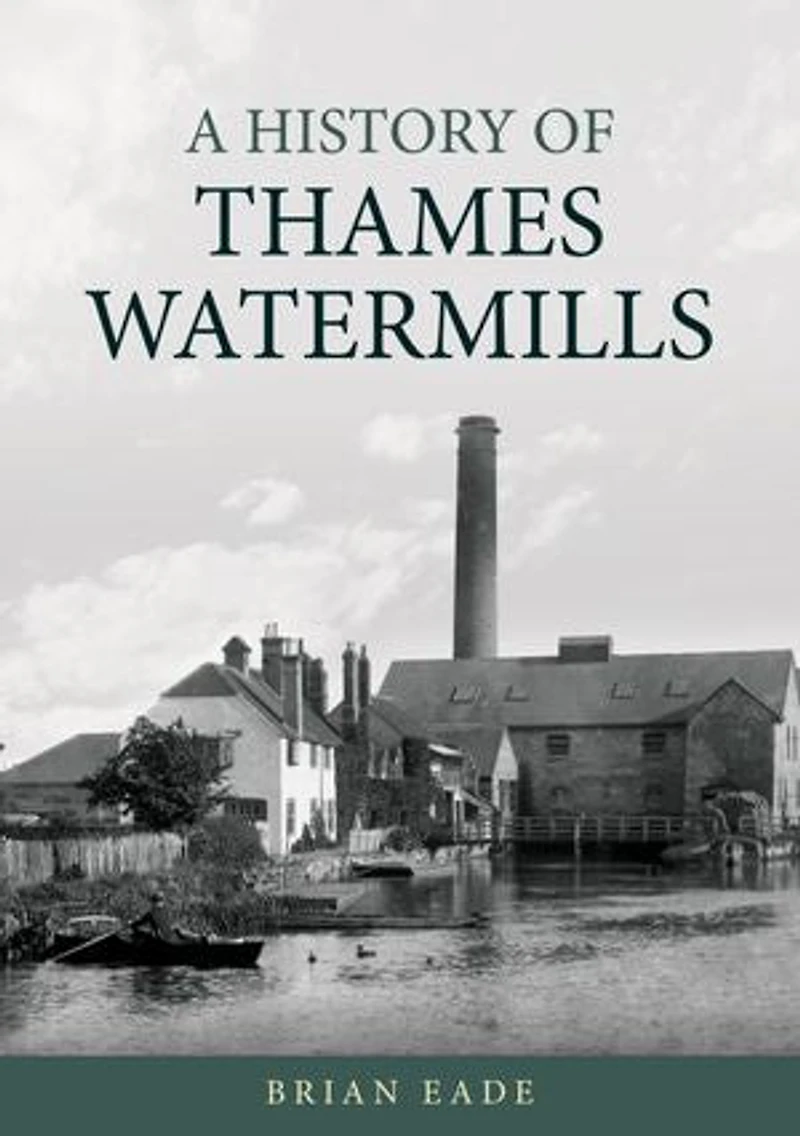
A History of Thames Watermills in Grande Prairie, AB
Current price: $17.99
Original price: $22.40
Coles
A History of Thames Watermills in Grande Prairie, AB
Current price: $17.99
Original price: $22.40
Loading Inventory...
Size: Kobo eBook
*Product information and pricing may vary - to confirm current pricing, availability, shipping, and return information please contact Coles. In the event of a pricing discrepancy, the retailer's price will apply.
The history of the River Thames is inexorably linked to the rights of navigation and water management. Long before there were pound locks on the River Thames, water management was haphazard at best and flooding frequently occurred. The vested interests in maintaining the river included millers and fishermen. The owners of the mills held sway over navigation, deliberately holding back the water to suit their interests, which led to conflict and sometimes fights and vandalism. Many watermills had wooden gears and it is thought that fires caused by the friction of these wheels may have led to their demise. When trading ceased, these watermills were often demolished, converted in some way or the sites sold. It is no coincidence that many of the modern pound locks were constructed adjacent to or on former mill sites.
Brian Eade sheds new light on the disappearance of many Thames watermills. Featuring some previously unpublished photographs, this book provides endless fascination for those drawn to the banks and waters of England’s favourite river.
The history of the River Thames is inexorably linked to the rights of navigation and water management. Long before there were pound locks on the River Thames, water management was haphazard at best and flooding frequently occurred. The vested interests in maintaining the river included millers and fishermen. The owners of the mills held sway over navigation, deliberately holding back the water to suit their interests, which led to conflict and sometimes fights and vandalism. Many watermills had wooden gears and it is thought that fires caused by the friction of these wheels may have led to their demise. When trading ceased, these watermills were often demolished, converted in some way or the sites sold. It is no coincidence that many of the modern pound locks were constructed adjacent to or on former mill sites.
Brian Eade sheds new light on the disappearance of many Thames watermills. Featuring some previously unpublished photographs, this book provides endless fascination for those drawn to the banks and waters of England’s favourite river.
You May Also Like
















Find at Prairie Mall in Grande Prairie, AB
Visit at Prairie Mall in Grande Prairie, AB