


Gifting Made Simple
Give the Gift of ChoiceClick below to purchase a Prairie Mall eGift Card that can be used at participating retailers at Prairie Mall.Buy Gift CardHome
A History of India's Green Revolution: Reign of Technocracy
Coles
Loading Inventory...
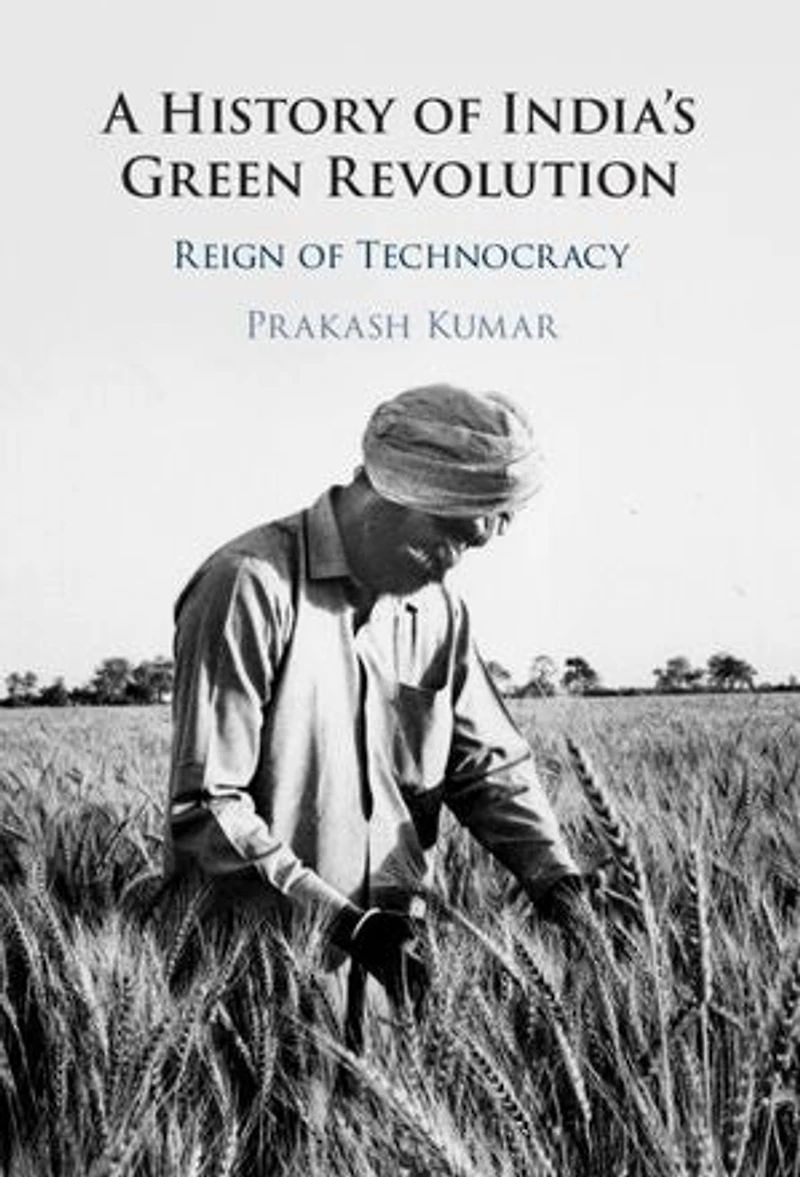
A History of India's Green Revolution: Reign of Technocracy in Grande Prairie, AB
Current price: $110.39
Original price: $137.95
Coles
A History of India's Green Revolution: Reign of Technocracy in Grande Prairie, AB
Current price: $110.39
Original price: $137.95
Loading Inventory...
Size: Kobo eBook
*Product information and pricing may vary - to confirm current pricing, availability, shipping, and return information please contact Coles. In the event of a pricing discrepancy, the retailer's price will apply.
In the mid-1960s, India's 'green revolution' saw the embrace of more productive agricultural practices and high yielding variety seeds, bringing the country out of food scarcity. Although lauded as a success of the Cold War fight against hunger, the green revolution has also faced criticisms for causing ecological degradation and socio-economic inequality. This book contextualizes the 'green revolution' to show the contingencies and pitfalls of agrarian transformation. Prakash Kumar unpacks its contested history, tracing agricultural modernization in India from colonial-era crop development, to land and tenure reforms, community development, and the expansion of arable lands. He also examines the involvement of the colonial state, post-colonial elites, and American modernizers. Over time, all of these efforts came under the spell of technocracy, an unyielding belief in the power of technology to solve social and economic underdevelopment which, Kumar argues, best explains what caused the green revolution.
In the mid-1960s, India's 'green revolution' saw the embrace of more productive agricultural practices and high yielding variety seeds, bringing the country out of food scarcity. Although lauded as a success of the Cold War fight against hunger, the green revolution has also faced criticisms for causing ecological degradation and socio-economic inequality. This book contextualizes the 'green revolution' to show the contingencies and pitfalls of agrarian transformation. Prakash Kumar unpacks its contested history, tracing agricultural modernization in India from colonial-era crop development, to land and tenure reforms, community development, and the expansion of arable lands. He also examines the involvement of the colonial state, post-colonial elites, and American modernizers. Over time, all of these efforts came under the spell of technocracy, an unyielding belief in the power of technology to solve social and economic underdevelopment which, Kumar argues, best explains what caused the green revolution.
You May Also Like


















Find at Prairie Mall in Grande Prairie, AB
Visit at Prairie Mall in Grande Prairie, AB