


Gifting Made Simple
Give the Gift of ChoiceClick below to purchase a Prairie Mall eGift Card that can be used at participating retailers at Prairie Mall.Buy Gift CardHome
A History and Critique of Methodological Naturalism: The Philosophical Case for God's Design Nature
Coles
Loading Inventory...
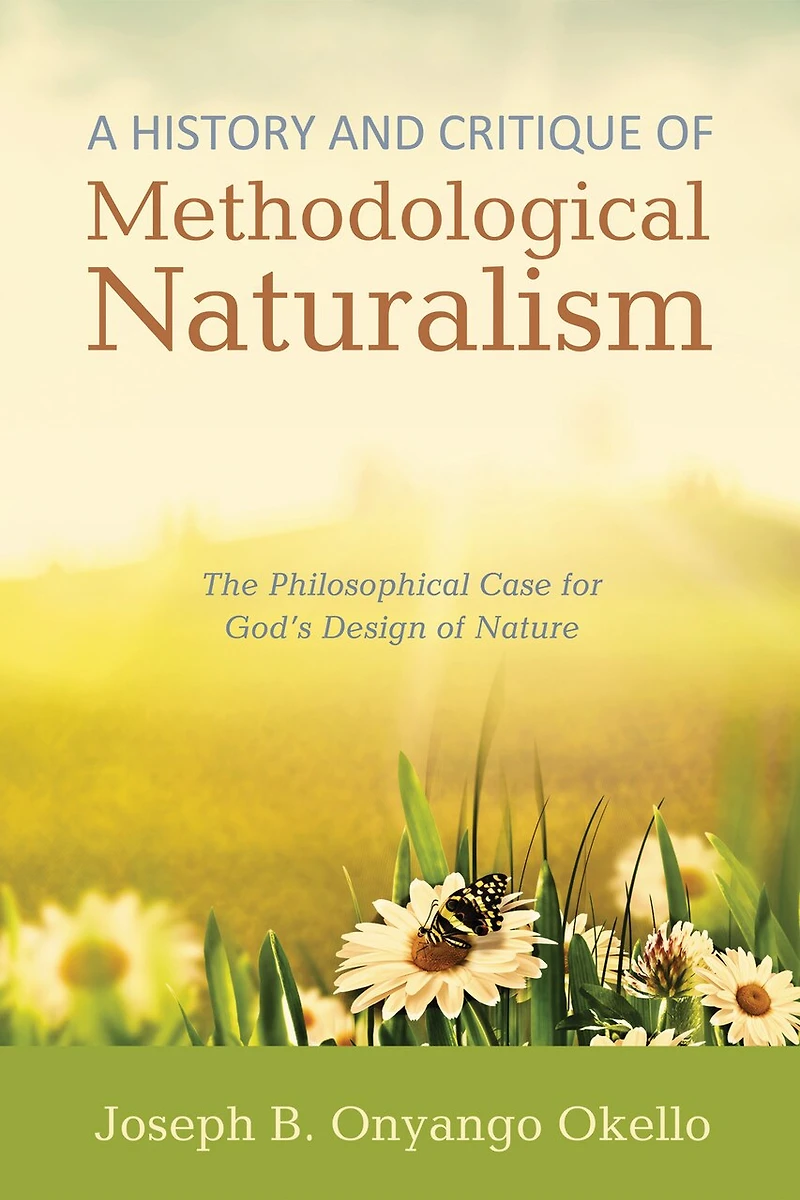
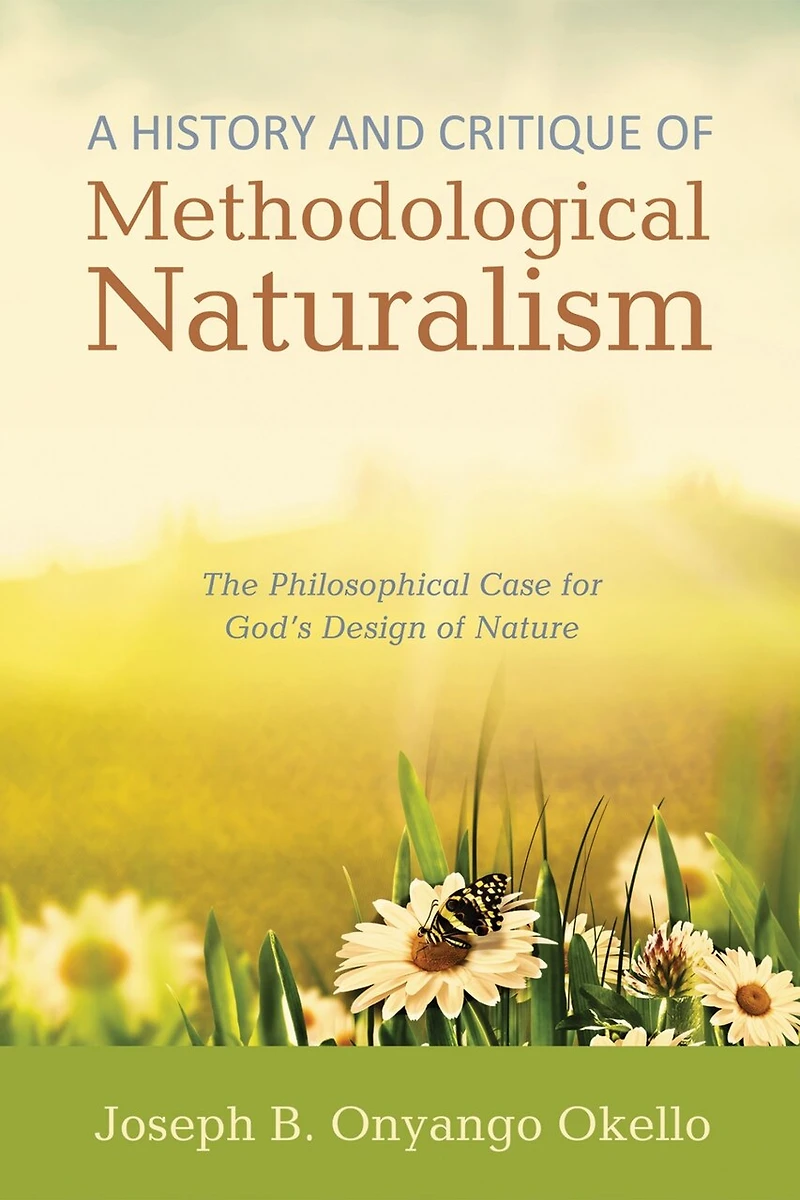
A History and Critique of Methodological Naturalism: The Philosophical Case for God's Design Nature in Grande Prairie, AB
Current price: $72.00
Coles
A History and Critique of Methodological Naturalism: The Philosophical Case for God's Design Nature in Grande Prairie, AB
Current price: $72.00
Loading Inventory...
Size: Hardcover
*Product information and pricing may vary - to confirm current pricing, availability, shipping, and return information please contact Coles. In the event of a pricing discrepancy, the retailer's price will apply.
Methodological naturalism is the thesis that only natural features can be factored into any legitimate explanation. Moreover, the thesis contends, any attempt to explain natural phenomena by appealing to supernatural features is unscientific and, therefore, illegitimate. This book argues that nothing inherently problematic afflicts possible appeals to supernatural agency in the attempt to explain select phenomena in nature. Reputable philosophers of the ancient and medieval periods, as well as prominent scientists of the early modern era, invoked supernatural agency in their attempts to understand nature. For them, miraculous interventions in nature by a supernatural agent were not unreasonable. However, the super-naturalistic worldview has been replaced by methodological naturalism. The assumptions of two pivotal figures--David Hume and Charles Darwin--brought about this change. This book shows that this change was motivated by unscientific means. Hence, the change itself remains inconsistent with the assumptions of methodological naturalism.
Methodological naturalism is the thesis that only natural features can be factored into any legitimate explanation. Moreover, the thesis contends, any attempt to explain natural phenomena by appealing to supernatural features is unscientific and, therefore, illegitimate. This book argues that nothing inherently problematic afflicts possible appeals to supernatural agency in the attempt to explain select phenomena in nature. Reputable philosophers of the ancient and medieval periods, as well as prominent scientists of the early modern era, invoked supernatural agency in their attempts to understand nature. For them, miraculous interventions in nature by a supernatural agent were not unreasonable. However, the super-naturalistic worldview has been replaced by methodological naturalism. The assumptions of two pivotal figures--David Hume and Charles Darwin--brought about this change. This book shows that this change was motivated by unscientific means. Hence, the change itself remains inconsistent with the assumptions of methodological naturalism.
You May Also Like



















Find at Prairie Mall in Grande Prairie, AB
Visit at Prairie Mall in Grande Prairie, AB