


Gifting Made Simple
Give the Gift of ChoiceClick below to purchase a Prairie Mall eGift Card that can be used at participating retailers at Prairie Mall.Buy Gift CardHome
A Guide to the Heavens: The Literary Reception of Herman Hugo's "Pia Desideria" in the Polish-Lithuanian Commonwealth
Coles
Loading Inventory...
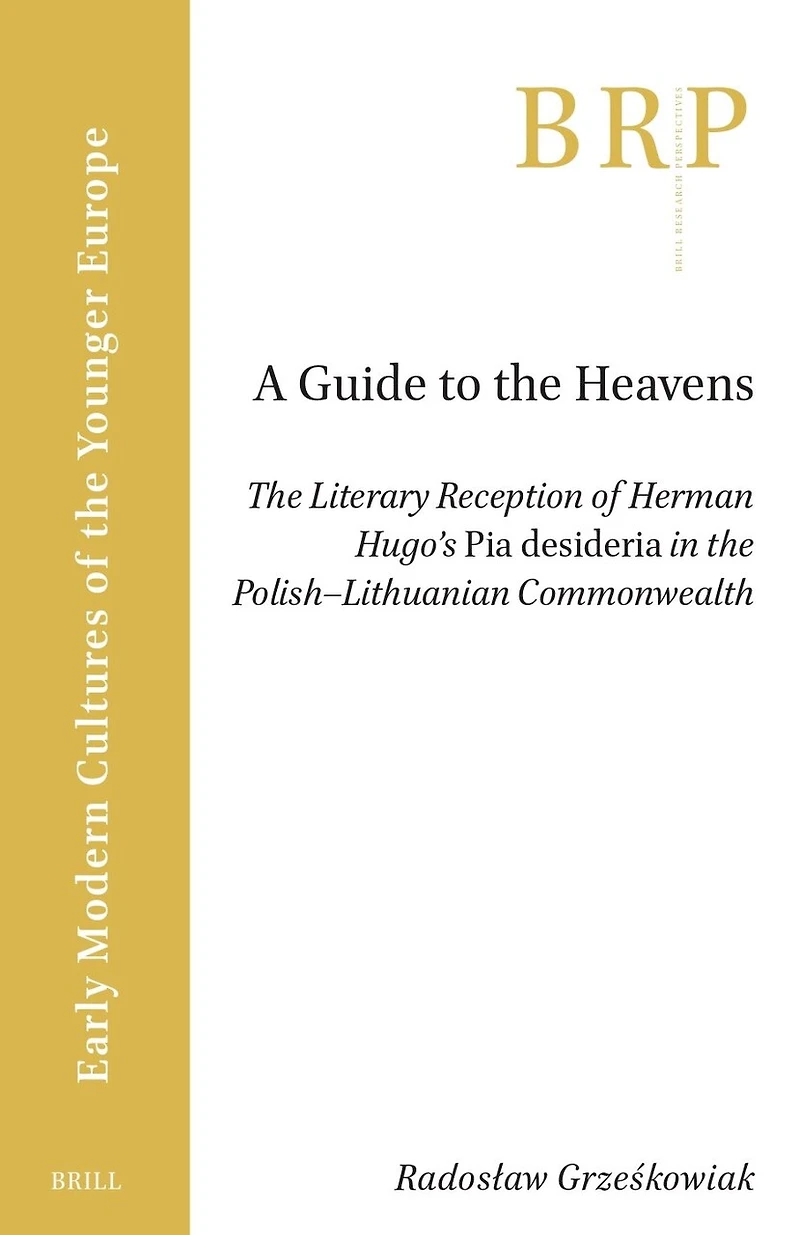
A Guide to the Heavens: The Literary Reception of Herman Hugo's "Pia Desideria" in the Polish-Lithuanian Commonwealth in Grande Prairie, AB
Current price: $122.99
Coles
A Guide to the Heavens: The Literary Reception of Herman Hugo's "Pia Desideria" in the Polish-Lithuanian Commonwealth in Grande Prairie, AB
Current price: $122.99
Loading Inventory...
Size: Paperback
*Product information and pricing may vary - to confirm current pricing, availability, shipping, and return information please contact Coles. In the event of a pricing discrepancy, the retailer's price will apply.
This book is available in open access thanks to the generous support of the Adam Mickiewicz University, Poznań
This is the first monographic study of the reception of Herman Hugo's emblem book Pia desideria (1624) in the Polish-Lithuanian Commonwealth. It discusses ten different translations and adaptations, showing how the engravings, elegies and exegetical extracts of the original edition were used by Polish-speaking authors. Attention is also given to the reception of the engravings in paintings. Furthermore, the author examines the reasons for the book's popularity, proving that it was determined by the interest of women who did not know Latin, yet constituted the most important target group for the numerous and varied Polish adaptations.
This book is available in open access thanks to the generous support of the Adam Mickiewicz University, Poznań
This is the first monographic study of the reception of Herman Hugo's emblem book Pia desideria (1624) in the Polish-Lithuanian Commonwealth. It discusses ten different translations and adaptations, showing how the engravings, elegies and exegetical extracts of the original edition were used by Polish-speaking authors. Attention is also given to the reception of the engravings in paintings. Furthermore, the author examines the reasons for the book's popularity, proving that it was determined by the interest of women who did not know Latin, yet constituted the most important target group for the numerous and varied Polish adaptations.
You May Also Like
















Find at Prairie Mall in Grande Prairie, AB
Visit at Prairie Mall in Grande Prairie, AB