


Gifting Made Simple
Give the Gift of ChoiceClick below to purchase a Prairie Mall eGift Card that can be used at participating retailers at Prairie Mall.Buy Gift CardHome
A Guide to Kant's Psychologism: via Locke, Berkeley, Hume, and Wittgenstein
Coles
Loading Inventory...

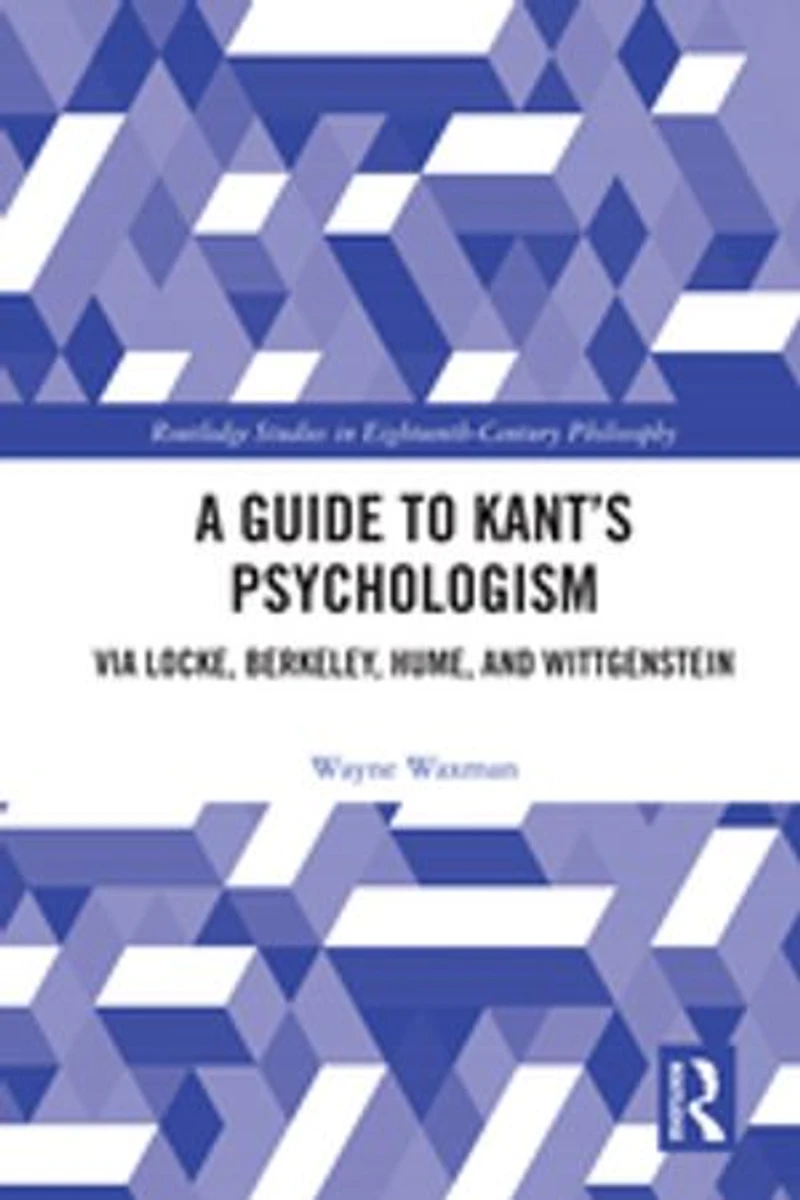
A Guide to Kant's Psychologism: via Locke, Berkeley, Hume, and Wittgenstein in Grande Prairie, AB
Current price: $296.50
Coles
A Guide to Kant's Psychologism: via Locke, Berkeley, Hume, and Wittgenstein in Grande Prairie, AB
Current price: $296.50
Loading Inventory...
Size: Hardcover
*Product information and pricing may vary - to confirm current pricing, availability, shipping, and return information please contact Coles. In the event of a pricing discrepancy, the retailer's price will apply.
This book presents an interpretation of Kant's Critique of Pure Reason as a priori psychologism. It groups Kant's philosophy together with those of the British empiricists-Locke, Berkeley, and Hume-in a single line of psychologistic succession and offers a clear explanation of how Kant's psychologism differs from psychology and idealism. The book reconciles Kant's philosophy with subsequent developments in science and mathematics, including post-Fregean mathematical logic, non-Euclidean geometry, and both relativity and quantum theory. It also relates Kant's psychologism to Wittgenstein's later conception of language. Finally, the author reveals the ways in which Kant's philosophy dovetails with contemporary scientific theorizing about the natural phenomenon of consciousness and its place in nature. This book will be of interest to Kant scholars and historians of philosophy working on the British empiricists.
This book presents an interpretation of Kant's Critique of Pure Reason as a priori psychologism. It groups Kant's philosophy together with those of the British empiricists-Locke, Berkeley, and Hume-in a single line of psychologistic succession and offers a clear explanation of how Kant's psychologism differs from psychology and idealism. The book reconciles Kant's philosophy with subsequent developments in science and mathematics, including post-Fregean mathematical logic, non-Euclidean geometry, and both relativity and quantum theory. It also relates Kant's psychologism to Wittgenstein's later conception of language. Finally, the author reveals the ways in which Kant's philosophy dovetails with contemporary scientific theorizing about the natural phenomenon of consciousness and its place in nature. This book will be of interest to Kant scholars and historians of philosophy working on the British empiricists.
You May Also Like









Find at Prairie Mall in Grande Prairie, AB
Visit at Prairie Mall in Grande Prairie, AB