


Gifting Made Simple
Give the Gift of ChoiceClick below to purchase a Prairie Mall eGift Card that can be used at participating retailers at Prairie Mall.Buy Gift CardHome
A Global History of the Cold War, 1945-1991
Coles
Loading Inventory...

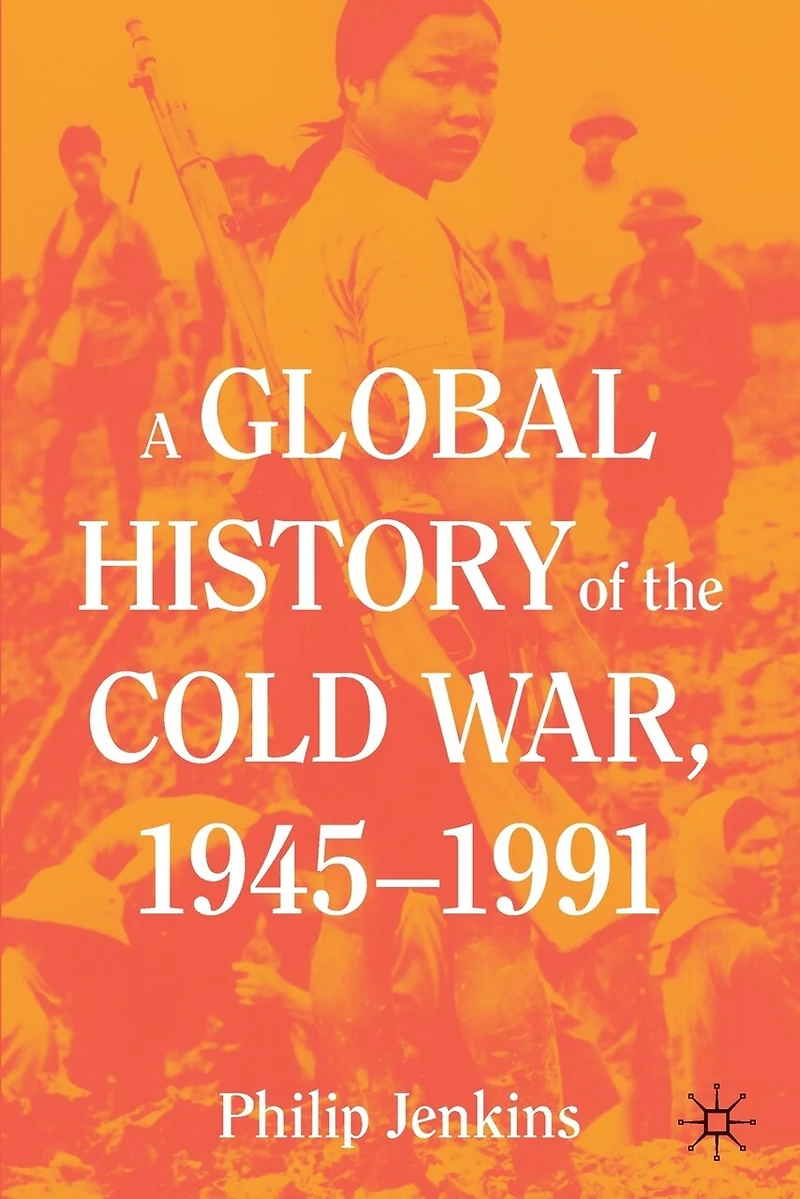
A Global History of the Cold War, 1945-1991 in Grande Prairie, AB
Current price: $45.19
Original price: $56.43
Coles
A Global History of the Cold War, 1945-1991 in Grande Prairie, AB
Current price: $45.19
Original price: $56.43
Loading Inventory...
Size: Kobo eBook
*Product information and pricing may vary - to confirm current pricing, availability, shipping, and return information please contact Coles. In the event of a pricing discrepancy, the retailer's price will apply.
This textbook provides a dynamic and concise overview of the Cold War. Offering balanced coverage of the whole era, it takes a firmly global approach, showing how at various times the focus of East-West rivalry shifted to new and surprising venues, from Laos to Katanga, from Nicaragua to Angola. Throughout, Jenkins emphasises intelligence, technology and religion, as well as highlighting themes that are relevant to the present day. A rich array of popular culture examples is used to demonstrate how the crisis was understood and perceived by mainstream audiences across the world, and the book includes three 'snapshot' chapters, which offer an overview of the state of play at pivotal moments in the conflict - 1946, 1968 and 1980 - in order to illuminate the inter-relationship between apparently discrete situations. This is an essential introduction for students studying Cold War, twentieth century or Global history.
This textbook provides a dynamic and concise overview of the Cold War. Offering balanced coverage of the whole era, it takes a firmly global approach, showing how at various times the focus of East-West rivalry shifted to new and surprising venues, from Laos to Katanga, from Nicaragua to Angola. Throughout, Jenkins emphasises intelligence, technology and religion, as well as highlighting themes that are relevant to the present day. A rich array of popular culture examples is used to demonstrate how the crisis was understood and perceived by mainstream audiences across the world, and the book includes three 'snapshot' chapters, which offer an overview of the state of play at pivotal moments in the conflict - 1946, 1968 and 1980 - in order to illuminate the inter-relationship between apparently discrete situations. This is an essential introduction for students studying Cold War, twentieth century or Global history.
You May Also Like













Find at Prairie Mall in Grande Prairie, AB
Visit at Prairie Mall in Grande Prairie, AB