


Gifting Made Simple
Give the Gift of ChoiceClick below to purchase a Prairie Mall eGift Card that can be used at participating retailers at Prairie Mall.Buy Gift CardHome
A Global History of Child Death: Mortality, Burial, and Parental Attitudes
Coles
Loading Inventory...
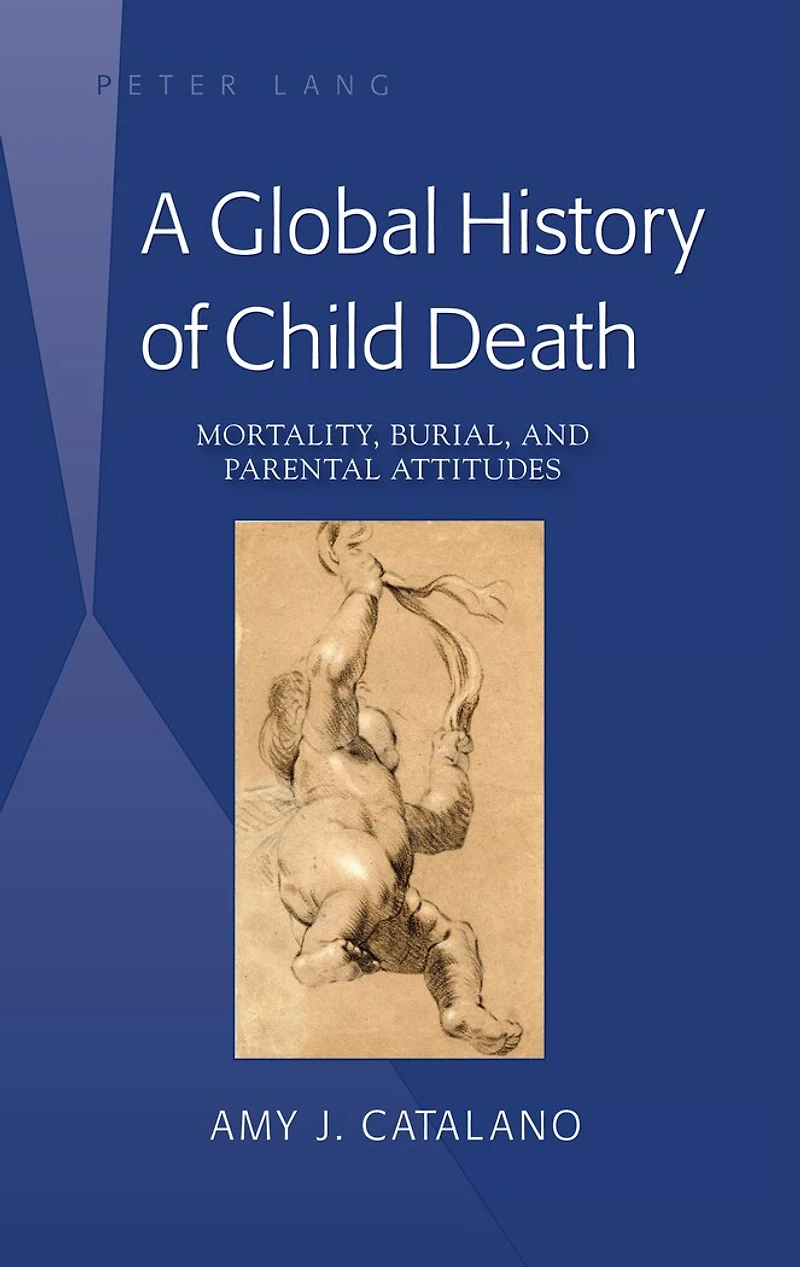

A Global History of Child Death: Mortality, Burial, and Parental Attitudes in Grande Prairie, AB
Current price: $142.85
Coles
A Global History of Child Death: Mortality, Burial, and Parental Attitudes in Grande Prairie, AB
Current price: $142.85
Loading Inventory...
Size: Hardcover
*Product information and pricing may vary - to confirm current pricing, availability, shipping, and return information please contact Coles. In the event of a pricing discrepancy, the retailer's price will apply.
Drawing from primary research studies in archaeology, historical analysis, literature, and art this interdisciplinary look at the history of child funerary practices and other vehicles of parental mourning is the only book of its kind. The purpose of this work is to investigate the ways in which funerary behaviors and grieving differ between cultures and across time; from prehistory to modern history. Philippe Aries, the French childhood historian, argued that children were rarely mourned upon their deaths as child death was a frequent and expected event, especially in the Middle Ages. This book draws upon archaeological reports, secondary data analysis, and analysis of literature, photography and artwork to refute, and in some cases support, Aries’s claim. Organized in two parts, Part One begins with a chapter on the causes of childhood mortality and the steps taken to prevent it, followed by chapters on prehistory, ancient civilizations, the Middle Ages and the Renaissance, and the early modern and late modern eras. The chapters in Part Two discuss indicators of parental concern at a child’s death: naming practices, replacement strategy, baptism, consolation literature, and artwork. Students who focus on the psychological aspects of death, funeral practices, and childhood histories will find this book a useful and comprehensive tool for examining how children have been mourned since prehistory.
Drawing from primary research studies in archaeology, historical analysis, literature, and art this interdisciplinary look at the history of child funerary practices and other vehicles of parental mourning is the only book of its kind. The purpose of this work is to investigate the ways in which funerary behaviors and grieving differ between cultures and across time; from prehistory to modern history. Philippe Aries, the French childhood historian, argued that children were rarely mourned upon their deaths as child death was a frequent and expected event, especially in the Middle Ages. This book draws upon archaeological reports, secondary data analysis, and analysis of literature, photography and artwork to refute, and in some cases support, Aries’s claim. Organized in two parts, Part One begins with a chapter on the causes of childhood mortality and the steps taken to prevent it, followed by chapters on prehistory, ancient civilizations, the Middle Ages and the Renaissance, and the early modern and late modern eras. The chapters in Part Two discuss indicators of parental concern at a child’s death: naming practices, replacement strategy, baptism, consolation literature, and artwork. Students who focus on the psychological aspects of death, funeral practices, and childhood histories will find this book a useful and comprehensive tool for examining how children have been mourned since prehistory.
You May Also Like















Find at Prairie Mall in Grande Prairie, AB
Visit at Prairie Mall in Grande Prairie, AB