


Gifting Made Simple
Give the Gift of ChoiceClick below to purchase a Prairie Mall eGift Card that can be used at participating retailers at Prairie Mall.Buy Gift CardHome
A Girl Can Do: Recognizing and Representing Girlhood (Color
Coles
Loading Inventory...
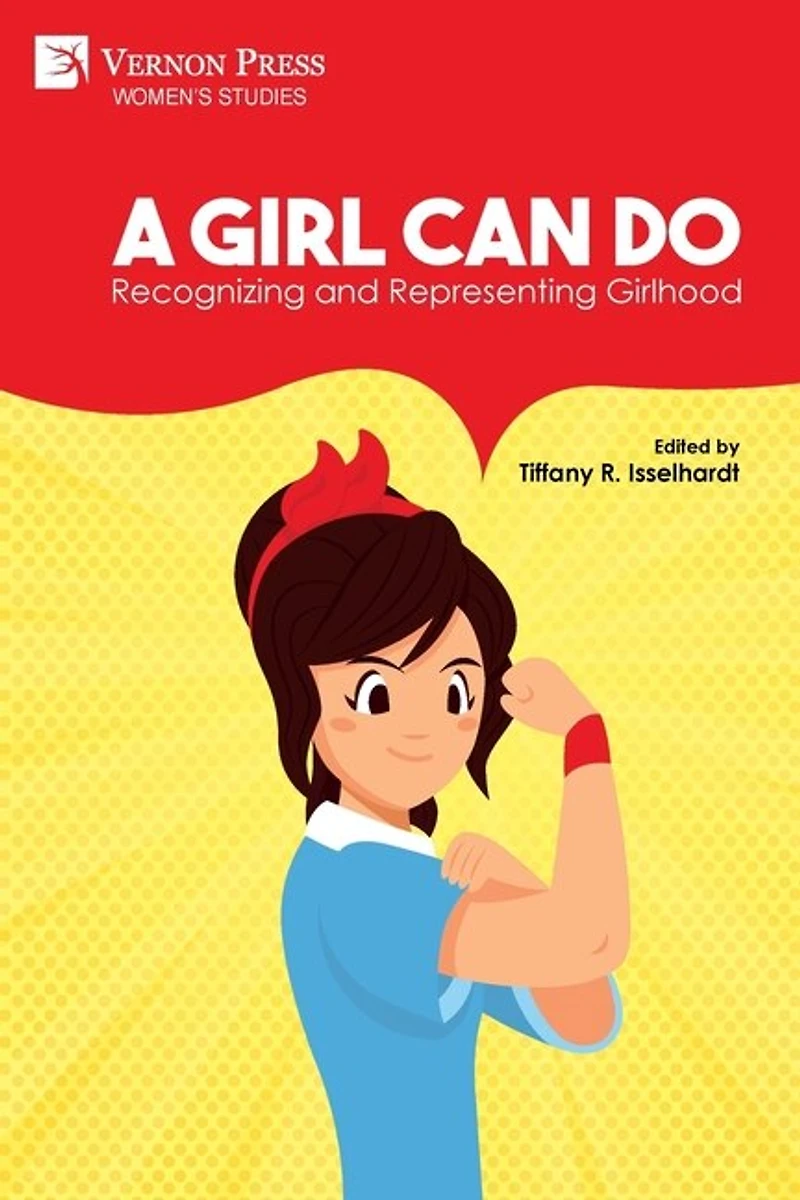
A Girl Can Do: Recognizing and Representing Girlhood (Color in Grande Prairie, AB
Current price: $124.00
Coles
A Girl Can Do: Recognizing and Representing Girlhood (Color in Grande Prairie, AB
Current price: $124.00
Loading Inventory...
Size: Paperback
*Product information and pricing may vary - to confirm current pricing, availability, shipping, and return information please contact Coles. In the event of a pricing discrepancy, the retailer's price will apply.
How do scholars research and interpret marginalized populations, especially those that are seldom recognized as marginalized or whose sources are believed to be rare?
Combining intersectional feminism and public history methodologies, 'A Girl Can Do: Recognizing and Representing Girlhood' reflects on how girlhood is found, researched, and interpreted in museums, archives, and historic sites. Defining "girl" as "self-identifying females under the age of 21," 'A Girl Can Do' lays the groundwork for understanding girlhood, its constructs, and its marginalization while providing faculty, students, and working professionals with ten case studies on researching and working with girlhood.
Contributors include archaeologists, archivists, curators, educators, and historians who demonstrate how adding a girl studies lens fosters greater inclusivity and diversity in our work. Whether studying spatial techniques of marginalization in colonial Peru, the daybooks as records of girlhood in late-nineteenth century Sweden, or collaborating with self-identifying fangirls to produce a pop-up exhibition, the contributors demonstrate the variety of sources and methods that can be used to interpret this oft-overlooked population. Throughout, 'A Girl Can Do' petitions for collaborative and creative thinking in how we can reframe and reinterpret our sources - both traditional and overlooked - to shed new light on how girls have contributed to, and provide frames of reference for, human history and culture.
How do scholars research and interpret marginalized populations, especially those that are seldom recognized as marginalized or whose sources are believed to be rare?
Combining intersectional feminism and public history methodologies, 'A Girl Can Do: Recognizing and Representing Girlhood' reflects on how girlhood is found, researched, and interpreted in museums, archives, and historic sites. Defining "girl" as "self-identifying females under the age of 21," 'A Girl Can Do' lays the groundwork for understanding girlhood, its constructs, and its marginalization while providing faculty, students, and working professionals with ten case studies on researching and working with girlhood.
Contributors include archaeologists, archivists, curators, educators, and historians who demonstrate how adding a girl studies lens fosters greater inclusivity and diversity in our work. Whether studying spatial techniques of marginalization in colonial Peru, the daybooks as records of girlhood in late-nineteenth century Sweden, or collaborating with self-identifying fangirls to produce a pop-up exhibition, the contributors demonstrate the variety of sources and methods that can be used to interpret this oft-overlooked population. Throughout, 'A Girl Can Do' petitions for collaborative and creative thinking in how we can reframe and reinterpret our sources - both traditional and overlooked - to shed new light on how girls have contributed to, and provide frames of reference for, human history and culture.
You May Also Like















Find at Prairie Mall in Grande Prairie, AB
Visit at Prairie Mall in Grande Prairie, AB