


Gifting Made Simple
Give the Gift of ChoiceClick below to purchase a Prairie Mall eGift Card that can be used at participating retailers at Prairie Mall.Buy Gift CardHome
A Full-Orbed Christianity: The Protestant Churches and Social Welfare in Canada, 1900-1940
Coles
Loading Inventory...
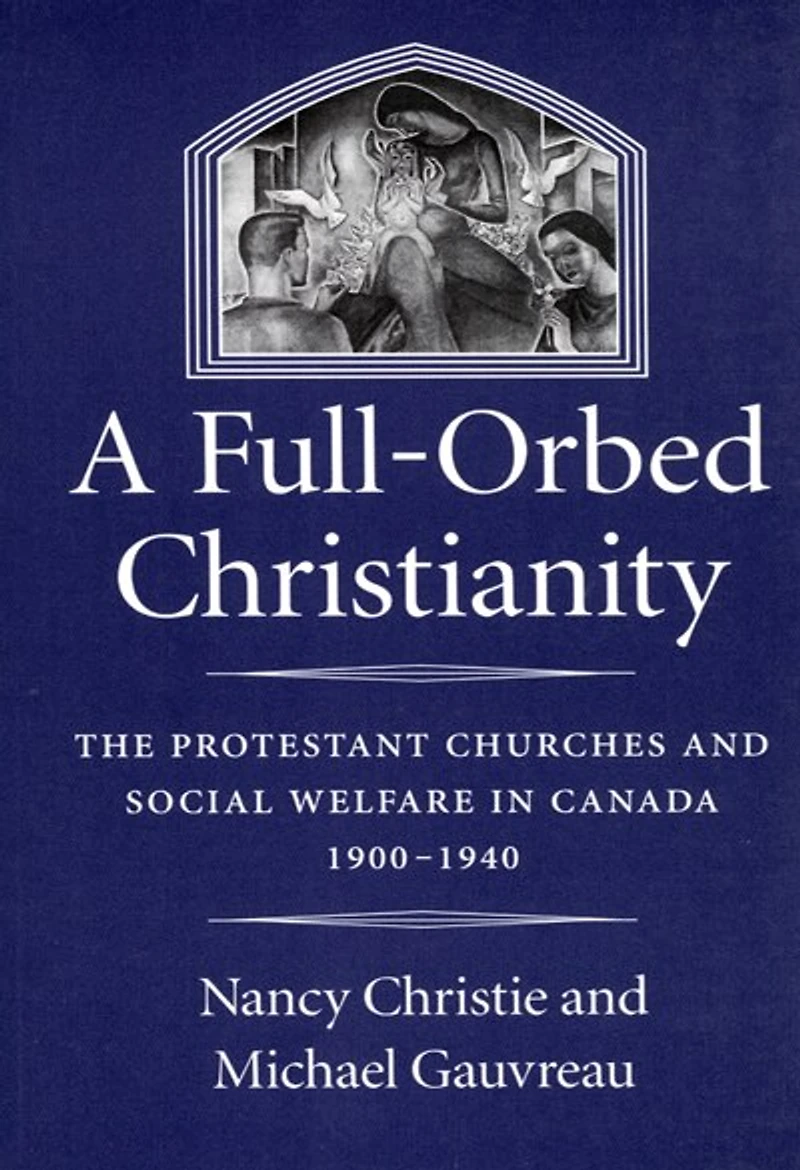
A Full-Orbed Christianity: The Protestant Churches and Social Welfare in Canada, 1900-1940 in Grande Prairie, AB
Current price: $45.95
Coles
A Full-Orbed Christianity: The Protestant Churches and Social Welfare in Canada, 1900-1940 in Grande Prairie, AB
Current price: $45.95
Loading Inventory...
Size: Hardcover
*Product information and pricing may vary - to confirm current pricing, availability, shipping, and return information please contact Coles. In the event of a pricing discrepancy, the retailer's price will apply.
Challenging widely held views that religious institutions entered a period of decline and irrelevance after 1900, Nancy Christie and Michael Gauvreau argue that the Methodist, Presbyterian, and United Churches enjoyed their greatest cultural influence during the first four decades of the twentieth century. By examining the relationship of these churches to both popular culture and the emerging welfare state, the authors challenge the main tenets of secularization theories.
Christie and Gauvreau look at the ways in which reformers expanded the churches' popular base through mass revivalism, established social work and sociology in Canadian universities and church colleges, and aggressively sought to take a leadership role in social reform by incorporating independent reform organizations into the church-sponsored Social Service Council of Canada. They also explore the instrumental role of Protestant clergymen in formulating social legislation and transforming the scope and responsibilities of the modern state.
The enormous influence of the Protestant churches before World War II can no longer be ignored, nor can the view that the churches were accomplices in their own secularization be justified. A Full-Orbed Christianity calls on historians to rethink the role of Protestantism in Canadian life and to see it not as the garrison of anti-modernity but as the chief harbinger of cultural change before 1940.
Challenging widely held views that religious institutions entered a period of decline and irrelevance after 1900, Nancy Christie and Michael Gauvreau argue that the Methodist, Presbyterian, and United Churches enjoyed their greatest cultural influence during the first four decades of the twentieth century. By examining the relationship of these churches to both popular culture and the emerging welfare state, the authors challenge the main tenets of secularization theories.
Christie and Gauvreau look at the ways in which reformers expanded the churches' popular base through mass revivalism, established social work and sociology in Canadian universities and church colleges, and aggressively sought to take a leadership role in social reform by incorporating independent reform organizations into the church-sponsored Social Service Council of Canada. They also explore the instrumental role of Protestant clergymen in formulating social legislation and transforming the scope and responsibilities of the modern state.
The enormous influence of the Protestant churches before World War II can no longer be ignored, nor can the view that the churches were accomplices in their own secularization be justified. A Full-Orbed Christianity calls on historians to rethink the role of Protestantism in Canadian life and to see it not as the garrison of anti-modernity but as the chief harbinger of cultural change before 1940.
You May Also Like


















Find at Prairie Mall in Grande Prairie, AB
Visit at Prairie Mall in Grande Prairie, AB