


Gifting Made Simple
Give the Gift of ChoiceClick below to purchase a Prairie Mall eGift Card that can be used at participating retailers at Prairie Mall.Buy Gift CardHome
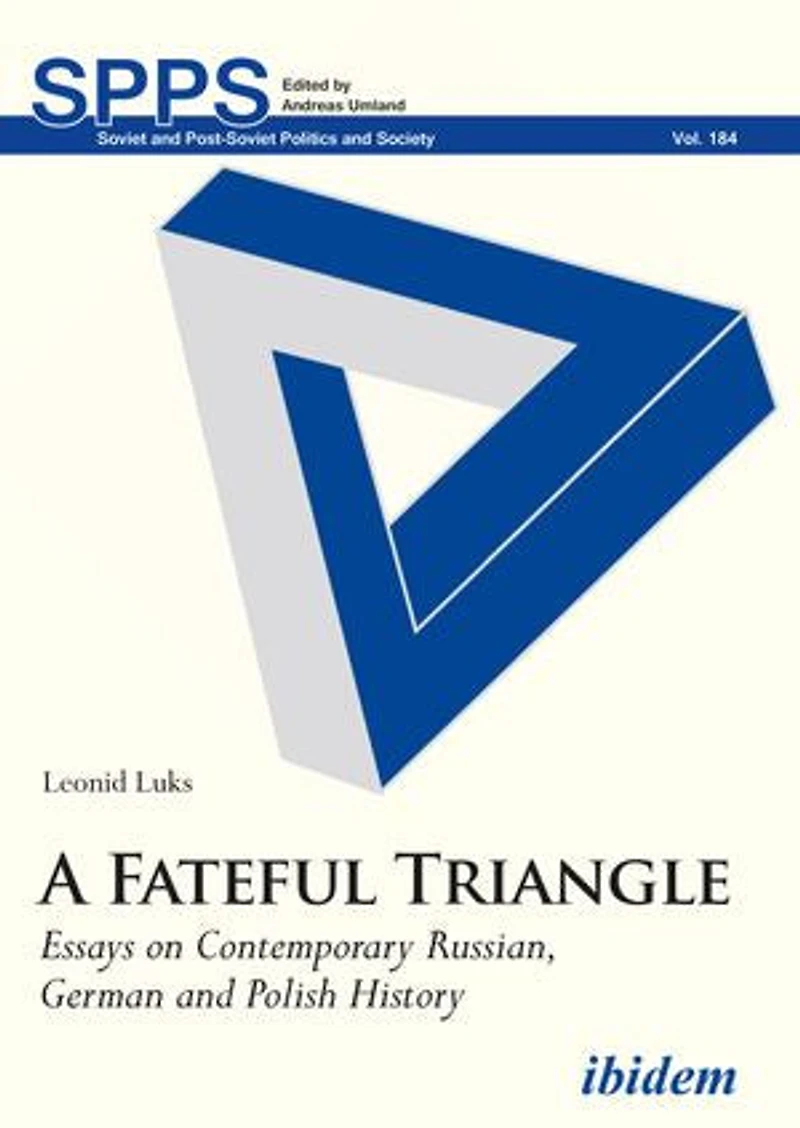
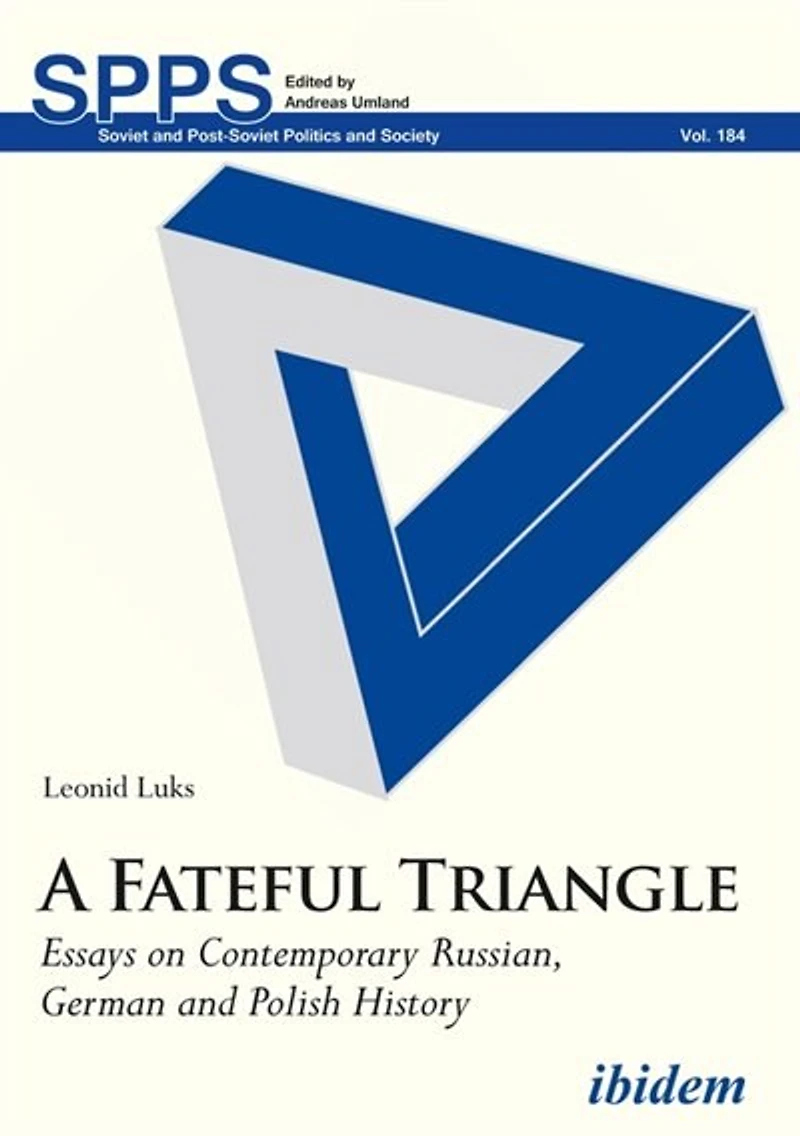
A Fateful Triangle: Essays on Contemporary Russian, German, and Polish History
Coles
Loading Inventory...
A Fateful Triangle: Essays on Contemporary Russian, German, and Polish History in Grande Prairie, AB
Current price: $45.99
Coles
A Fateful Triangle: Essays on Contemporary Russian, German, and Polish History in Grande Prairie, AB
Current price: $45.99
Loading Inventory...
Size: Kobo eBook
*Product information and pricing may vary - to confirm current pricing, availability, shipping, and return information please contact Coles. In the event of a pricing discrepancy, the retailer's price will apply.
The twentieth century began with a deep identity crisis of European parliamentarianism, pluralism, rationalism, individualism, and liberalism―and a following political revolt against the West’s emerging open societies and their ideological foundation. In its radicalism, this upheaval against Western values had far-reaching consequences across the world, the repercussions of which can still be felt today. Germany and Russia formed the center of this insurrection against those ideas and approaches usually associated with the West.
Leonid Luks’s essays deal with the various causes and results of these Russian and German anti-Western revolts for twentieth-century Europe. The book also touches upon the development of the peculiar post-Soviet Russian regime that, after the collapse of the USSR, emerged on the ruins of the Bolshevik state that had been established in 1917. What were the determinants of the erosion of the “second” Russian democracy that was briefly established, after the disempowerment of the CPSU in August 1991, until the rise of Vladimir Putin? Further foci of this wide-ranging study include the specific geopolitical trap in which Poland—constrained by its two powerful neighbors—was caught for centuries. Finally, Luks explores the special relationship that all three countries of Central and Eastern Europe’s "fateful triangle" had with Judaism and the Jews.
The twentieth century began with a deep identity crisis of European parliamentarianism, pluralism, rationalism, individualism, and liberalism―and a following political revolt against the West’s emerging open societies and their ideological foundation. In its radicalism, this upheaval against Western values had far-reaching consequences across the world, the repercussions of which can still be felt today. Germany and Russia formed the center of this insurrection against those ideas and approaches usually associated with the West.
Leonid Luks’s essays deal with the various causes and results of these Russian and German anti-Western revolts for twentieth-century Europe. The book also touches upon the development of the peculiar post-Soviet Russian regime that, after the collapse of the USSR, emerged on the ruins of the Bolshevik state that had been established in 1917. What were the determinants of the erosion of the “second” Russian democracy that was briefly established, after the disempowerment of the CPSU in August 1991, until the rise of Vladimir Putin? Further foci of this wide-ranging study include the specific geopolitical trap in which Poland—constrained by its two powerful neighbors—was caught for centuries. Finally, Luks explores the special relationship that all three countries of Central and Eastern Europe’s "fateful triangle" had with Judaism and the Jews.
You May Also Like








Find at Prairie Mall in Grande Prairie, AB
Visit at Prairie Mall in Grande Prairie, AB