


Gifting Made Simple
Give the Gift of ChoiceClick below to purchase a Prairie Mall eGift Card that can be used at participating retailers at Prairie Mall.Buy Gift CardHome
A Dissertation on the Medical Properties and Injurious Effects of the Habitual Use of Tobacco
Coles
Loading Inventory...
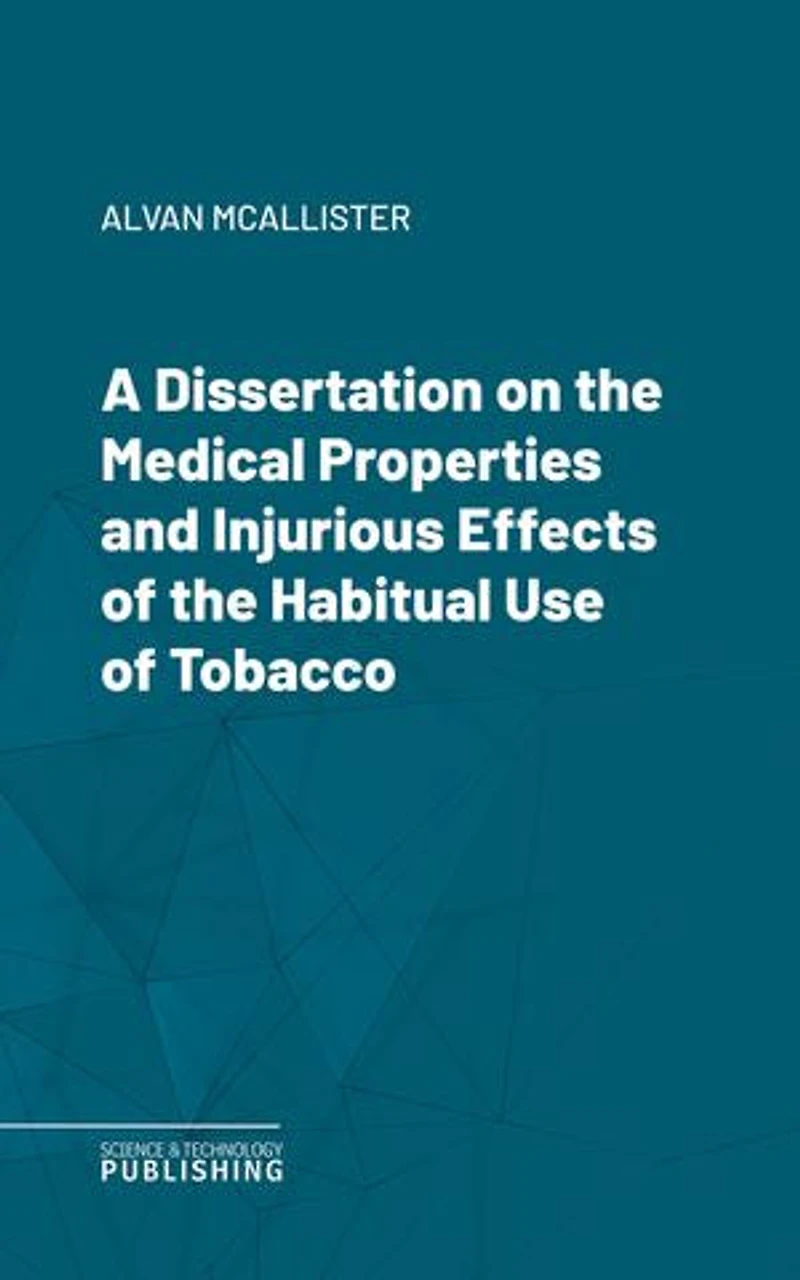
A Dissertation on the Medical Properties and Injurious Effects of the Habitual Use of Tobacco in Grande Prairie, AB
Current price: $29.99
Coles
A Dissertation on the Medical Properties and Injurious Effects of the Habitual Use of Tobacco in Grande Prairie, AB
Current price: $29.99
Loading Inventory...
Size: Kobo eBook
*Product information and pricing may vary - to confirm current pricing, availability, shipping, and return information please contact Coles. In the event of a pricing discrepancy, the retailer's price will apply.
A Dissertation on the Medical Properties and Injurious Effects of the Habitual Use of Tobacco is a seminal 19th-century treatise authored by Dr. William Beaumont, a prominent physician and early advocate for public health reform. First published in 1836, this comprehensive work meticulously examines the physiological and psychological consequences of tobacco consumption, drawing upon contemporary medical research, clinical observations, and case studies. Beaumont systematically explores the origins and spread of tobacco use, its various forms—smoking, chewing, and snuffing—and the widespread prevalence of the habit across different social classes and age groups. The book delves deeply into the chemical composition of tobacco, analyzing its active constituents such as nicotine and their effects on the human body. Beaumont presents compelling evidence of the deleterious impact of habitual tobacco use on the respiratory, digestive, and nervous systems, linking it to a range of ailments including chronic bronchitis, dyspepsia, nervous disorders, and even premature mortality. He also addresses the psychological aspects of addiction, highlighting the insidious nature of tobacco dependence and its detrimental influence on mental health and moral character. Throughout the dissertation, Beaumont adopts a critical stance against the prevailing social acceptance of tobacco, challenging popular misconceptions about its supposed medicinal benefits. He advocates for greater public awareness, medical education, and legislative action to curb the spread of tobacco use, emphasizing the importance of personal responsibility and societal intervention in promoting health and well-being. Rich in historical context and scientific insight, A Dissertation on the Medical Properties and Injurious Effects of the Habitual Use of Tobacco stands as a pioneering work in the field of medical literature. It offers a thorough and persuasive argument against the habitual use of tobacco, making it an invaluable resource for historians, medical professionals, and anyone interested in the early history of public health advocacy.
A Dissertation on the Medical Properties and Injurious Effects of the Habitual Use of Tobacco is a seminal 19th-century treatise authored by Dr. William Beaumont, a prominent physician and early advocate for public health reform. First published in 1836, this comprehensive work meticulously examines the physiological and psychological consequences of tobacco consumption, drawing upon contemporary medical research, clinical observations, and case studies. Beaumont systematically explores the origins and spread of tobacco use, its various forms—smoking, chewing, and snuffing—and the widespread prevalence of the habit across different social classes and age groups. The book delves deeply into the chemical composition of tobacco, analyzing its active constituents such as nicotine and their effects on the human body. Beaumont presents compelling evidence of the deleterious impact of habitual tobacco use on the respiratory, digestive, and nervous systems, linking it to a range of ailments including chronic bronchitis, dyspepsia, nervous disorders, and even premature mortality. He also addresses the psychological aspects of addiction, highlighting the insidious nature of tobacco dependence and its detrimental influence on mental health and moral character. Throughout the dissertation, Beaumont adopts a critical stance against the prevailing social acceptance of tobacco, challenging popular misconceptions about its supposed medicinal benefits. He advocates for greater public awareness, medical education, and legislative action to curb the spread of tobacco use, emphasizing the importance of personal responsibility and societal intervention in promoting health and well-being. Rich in historical context and scientific insight, A Dissertation on the Medical Properties and Injurious Effects of the Habitual Use of Tobacco stands as a pioneering work in the field of medical literature. It offers a thorough and persuasive argument against the habitual use of tobacco, making it an invaluable resource for historians, medical professionals, and anyone interested in the early history of public health advocacy.
You May Also Like















Find at Prairie Mall in Grande Prairie, AB
Visit at Prairie Mall in Grande Prairie, AB