


Gifting Made Simple
Give the Gift of ChoiceClick below to purchase a Prairie Mall eGift Card that can be used at participating retailers at Prairie Mall.Buy Gift CardHome
A Dialectical Pedagogy Of Revolt: Gramsci, Vygotsky, And The Egyptian Revolution
Coles
Loading Inventory...
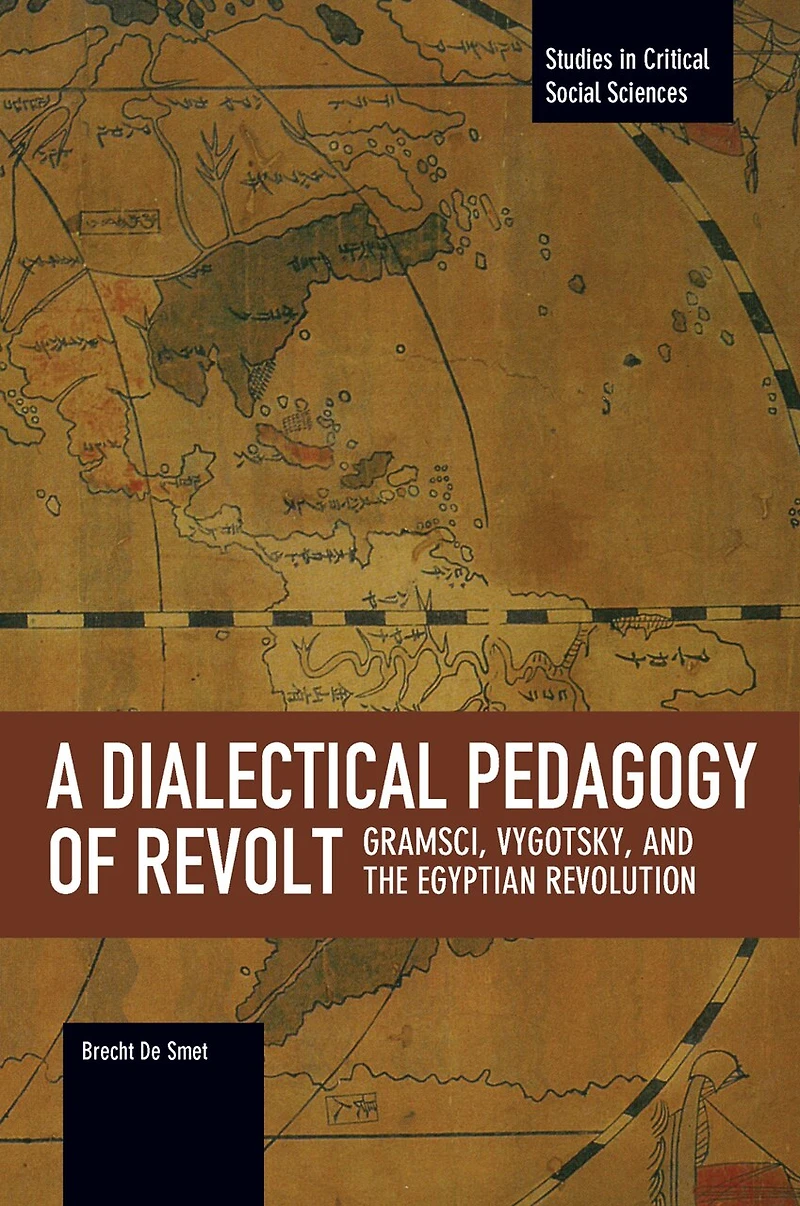
A Dialectical Pedagogy Of Revolt: Gramsci, Vygotsky, And The Egyptian Revolution in Grande Prairie, AB
Current price: $39.95
Coles
A Dialectical Pedagogy Of Revolt: Gramsci, Vygotsky, And The Egyptian Revolution in Grande Prairie, AB
Current price: $39.95
Loading Inventory...
Size: Paperback
*Product information and pricing may vary - to confirm current pricing, availability, shipping, and return information please contact Coles. In the event of a pricing discrepancy, the retailer's price will apply.
In 2011 observers from every corner of the globe were inspired as thousands of Egyptians poured into Cairo''s Tahrir Square and brought down a regime that only weeks before seemed unshakable. Yet, as the dust kicked up by the revolution has settled, both the immediate and lasting impacts of the movement remain hotly contested.
In A Dialectical Pedagogy of Revolt , Brecht De Smet takes on this question by offering an intellectual dialogue between the political theory of Italian Marxist Antonio Gramsci and the cultural psychology of Soviet thinker Lev Vygotsky. De Smet convincingly argues that their encounter in the context of the January 25th Revolution affirms the enduring need for a coherent theory of the revolutionary subject in the era of global capitalism-a theory that must be based on a political pedagogy of subaltern hegemony, solidarity, andreciprocal education.
From this perspective the political and economic lineages and outcomes of the mass uprising, and the emancipatory achievements and hegemonic failures of the Egyptian workers'' and democratic movements can be explained in terms of their (in)ability to construct a genuine dialectical pedagogy.
In 2011 observers from every corner of the globe were inspired as thousands of Egyptians poured into Cairo''s Tahrir Square and brought down a regime that only weeks before seemed unshakable. Yet, as the dust kicked up by the revolution has settled, both the immediate and lasting impacts of the movement remain hotly contested.
In A Dialectical Pedagogy of Revolt , Brecht De Smet takes on this question by offering an intellectual dialogue between the political theory of Italian Marxist Antonio Gramsci and the cultural psychology of Soviet thinker Lev Vygotsky. De Smet convincingly argues that their encounter in the context of the January 25th Revolution affirms the enduring need for a coherent theory of the revolutionary subject in the era of global capitalism-a theory that must be based on a political pedagogy of subaltern hegemony, solidarity, andreciprocal education.
From this perspective the political and economic lineages and outcomes of the mass uprising, and the emancipatory achievements and hegemonic failures of the Egyptian workers'' and democratic movements can be explained in terms of their (in)ability to construct a genuine dialectical pedagogy.
You May Also Like









Find at Prairie Mall in Grande Prairie, AB
Visit at Prairie Mall in Grande Prairie, AB