


Gifting Made Simple
Give the Gift of ChoiceClick below to purchase a Prairie Mall eGift Card that can be used at participating retailers at Prairie Mall.Buy Gift CardHome
A Development Strategy for Hybrid Products: the Case of Japanese Animation Industry
Coles
Loading Inventory...
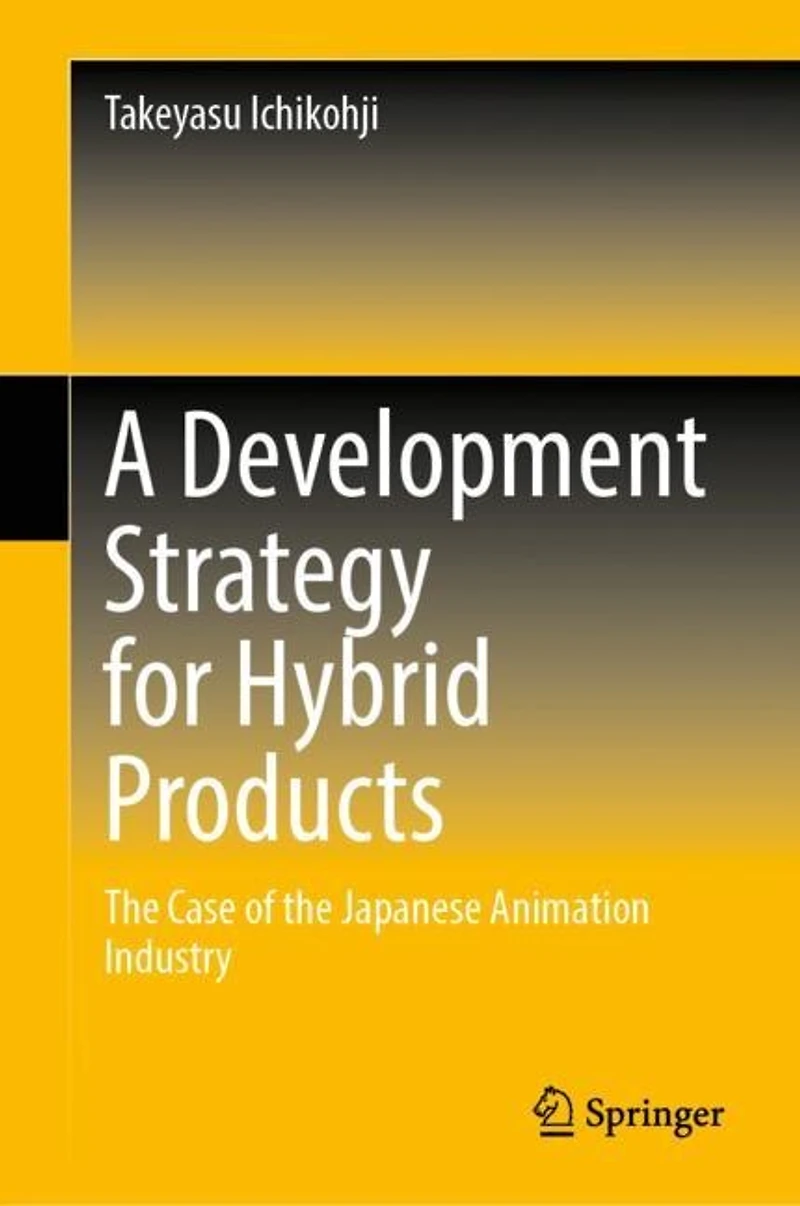

A Development Strategy for Hybrid Products: the Case of Japanese Animation Industry in Grande Prairie, AB
Current price: $175.50
Coles
A Development Strategy for Hybrid Products: the Case of Japanese Animation Industry in Grande Prairie, AB
Current price: $175.50
Loading Inventory...
Size: Hardcover
*Product information and pricing may vary - to confirm current pricing, availability, shipping, and return information please contact Coles. In the event of a pricing discrepancy, the retailer's price will apply.
This is the first book that deals with technological innovation in Japanese animation industry from a management perspective. In reviewing prior research and explaining the history of the technology, the author raises the difficulty of dealing with new technologies. In particular, the focus is on systems that combine analog technology (drawing by hand) and digital technology (3D computer graphics or 3DCG) to create a product. This combined technology is referred to as "hybrid technology" in this book, and the development and management of "hybrid products" using this technology are studied.
The study was conducted in two stages. The first stage was to determine the engineers' (animators') perception of hybrid technology. The results showed that in terms of potential, the hybrid technology of hand-drawn animation combined with 3DCG was rated more highly by engineers than hand-drawn alone. However, in terms of the assessment at that time, hybrid technology was rated higher than 3DCG alone but lower than hand-drawn. Therefore, it was assumed that hybrid technology, while useful, would pose challenges with respect to systematic implementation. The second stage was the development management of hybrid products. The results showed that the "adaptive engineer," who openly accepts other new technologies in the early stages of their emergence contributed to the integration of new and existing technologies.
This is the first book that deals with technological innovation in Japanese animation industry from a management perspective. In reviewing prior research and explaining the history of the technology, the author raises the difficulty of dealing with new technologies. In particular, the focus is on systems that combine analog technology (drawing by hand) and digital technology (3D computer graphics or 3DCG) to create a product. This combined technology is referred to as "hybrid technology" in this book, and the development and management of "hybrid products" using this technology are studied.
The study was conducted in two stages. The first stage was to determine the engineers' (animators') perception of hybrid technology. The results showed that in terms of potential, the hybrid technology of hand-drawn animation combined with 3DCG was rated more highly by engineers than hand-drawn alone. However, in terms of the assessment at that time, hybrid technology was rated higher than 3DCG alone but lower than hand-drawn. Therefore, it was assumed that hybrid technology, while useful, would pose challenges with respect to systematic implementation. The second stage was the development management of hybrid products. The results showed that the "adaptive engineer," who openly accepts other new technologies in the early stages of their emergence contributed to the integration of new and existing technologies.
You May Also Like















Find at Prairie Mall in Grande Prairie, AB
Visit at Prairie Mall in Grande Prairie, AB