


Gifting Made Simple
Give the Gift of ChoiceClick below to purchase a Prairie Mall eGift Card that can be used at participating retailers at Prairie Mall.Buy Gift CardHome
A Covenant With Death: Death In The Iron Age Ii And Its Rhetorical Uses In Proto-isaiah
Coles
Loading Inventory...
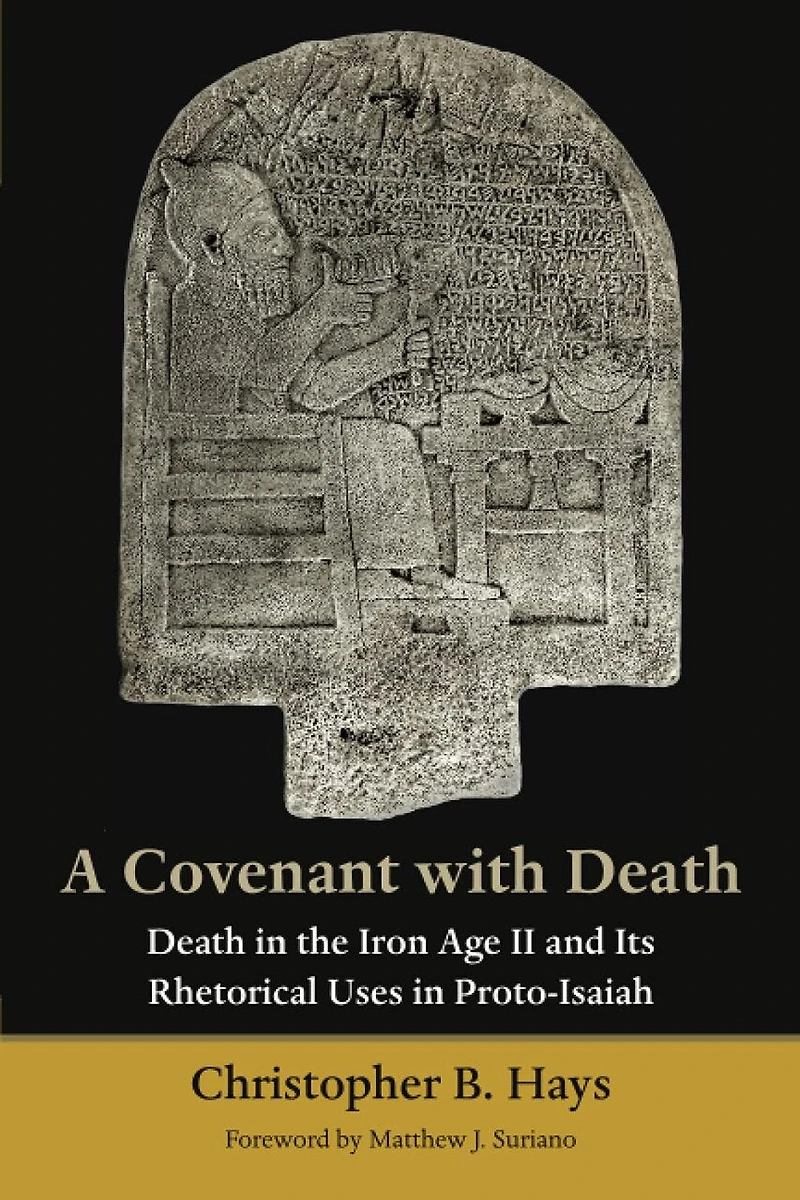
A Covenant With Death: Death In The Iron Age Ii And Its Rhetorical Uses In Proto-isaiah in Grande Prairie, AB
Current price: $69.99
Coles
A Covenant With Death: Death In The Iron Age Ii And Its Rhetorical Uses In Proto-isaiah in Grande Prairie, AB
Current price: $69.99
Loading Inventory...
Size: Paperback
*Product information and pricing may vary - to confirm current pricing, availability, shipping, and return information please contact Coles. In the event of a pricing discrepancy, the retailer's price will apply.
Shows how ancient Near Eastern attitudes toward death illumine the Hebrew Bible
Death is one of the major themes of First Isaiah, although it has not generally been recognized as such. In this work Christopher Hays offers fresh interpretations of more than a dozen passages in Isaiah 5-38 in light of ancient beliefs about death. What especially distinguishes Hays's study is its holistic approach, as he brilliantly synthesizes both literary and archaeological evidence, resulting in new insights.
Hays first summarizes what is known about death in the ancient Near East during the Second Iron Age, covering beliefs and practices in Mesopotamia, Egypt, Syria-Palestine, and Judah/Israel. He then shows how select passages in the first part of Isaiah employ the rhetorical imagery of death that was part of their cultural context; further, he identifies ways in which these texts break new creative ground.
Shows how ancient Near Eastern attitudes toward death illumine the Hebrew Bible
Death is one of the major themes of First Isaiah, although it has not generally been recognized as such. In this work Christopher Hays offers fresh interpretations of more than a dozen passages in Isaiah 5-38 in light of ancient beliefs about death. What especially distinguishes Hays's study is its holistic approach, as he brilliantly synthesizes both literary and archaeological evidence, resulting in new insights.
Hays first summarizes what is known about death in the ancient Near East during the Second Iron Age, covering beliefs and practices in Mesopotamia, Egypt, Syria-Palestine, and Judah/Israel. He then shows how select passages in the first part of Isaiah employ the rhetorical imagery of death that was part of their cultural context; further, he identifies ways in which these texts break new creative ground.
You May Also Like










Find at Prairie Mall in Grande Prairie, AB
Visit at Prairie Mall in Grande Prairie, AB