


Gifting Made Simple
Give the Gift of ChoiceClick below to purchase a Prairie Mall eGift Card that can be used at participating retailers at Prairie Mall.Buy Gift CardHome
A Course in Morphometrics for Biologists: Geometry and Statistics for Studies of Organismal Form
Coles
Loading Inventory...
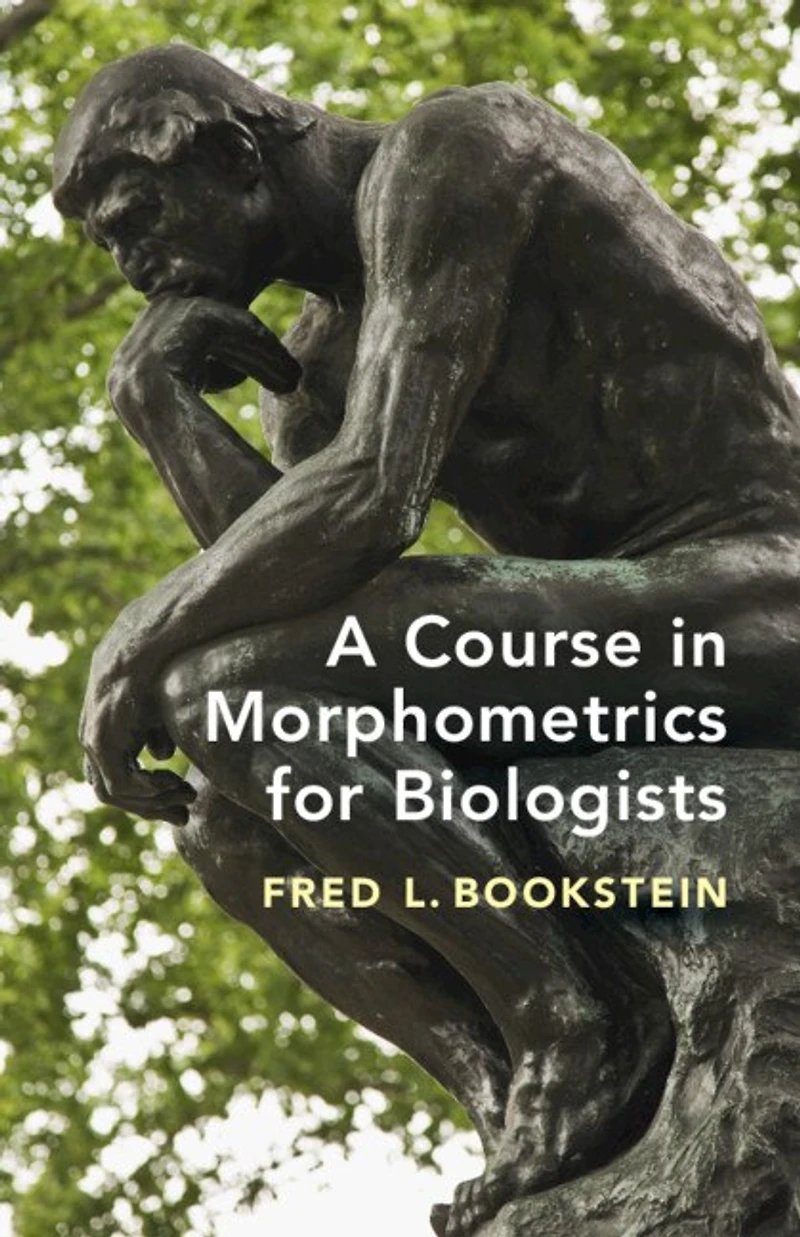
A Course in Morphometrics for Biologists: Geometry and Statistics for Studies of Organismal Form in Grande Prairie, AB
Current price: $127.95
Coles
A Course in Morphometrics for Biologists: Geometry and Statistics for Studies of Organismal Form in Grande Prairie, AB
Current price: $127.95
Loading Inventory...
Size: Hardcover
*Product information and pricing may vary - to confirm current pricing, availability, shipping, and return information please contact Coles. In the event of a pricing discrepancy, the retailer's price will apply.
This book builds a much-needed bridge between biostatistics and organismal biology by linking the arithmetic of statistical studies of organismal form to the biological inferences that may follow from it. It incorporates a cascade of new explanations of regression, correlation, covariance analysis, and principal components analysis, before applying these techniques to an increasingly common data resource: the description of organismal forms by sets of landmark point configurations. For each data set, multiple analyses are interpreted and compared for insight into the relation between the arithmetic of the measurements and the rhetoric of the subsequent biological explanations. The text includes examples that range broadly over growth, evolution, and disease. For graduate students and researchers alike, this book offers a unique consideration of the scientific context surrounding the analysis of form in today's biosciences.
This book builds a much-needed bridge between biostatistics and organismal biology by linking the arithmetic of statistical studies of organismal form to the biological inferences that may follow from it. It incorporates a cascade of new explanations of regression, correlation, covariance analysis, and principal components analysis, before applying these techniques to an increasingly common data resource: the description of organismal forms by sets of landmark point configurations. For each data set, multiple analyses are interpreted and compared for insight into the relation between the arithmetic of the measurements and the rhetoric of the subsequent biological explanations. The text includes examples that range broadly over growth, evolution, and disease. For graduate students and researchers alike, this book offers a unique consideration of the scientific context surrounding the analysis of form in today's biosciences.
You May Also Like









Find at Prairie Mall in Grande Prairie, AB
Visit at Prairie Mall in Grande Prairie, AB