


Gifting Made Simple
Give the Gift of ChoiceClick below to purchase a Prairie Mall eGift Card that can be used at participating retailers at Prairie Mall.Buy Gift CardHome
A Constructed Peace: the Making of European Settlement, 1945-1963
Coles
Loading Inventory...
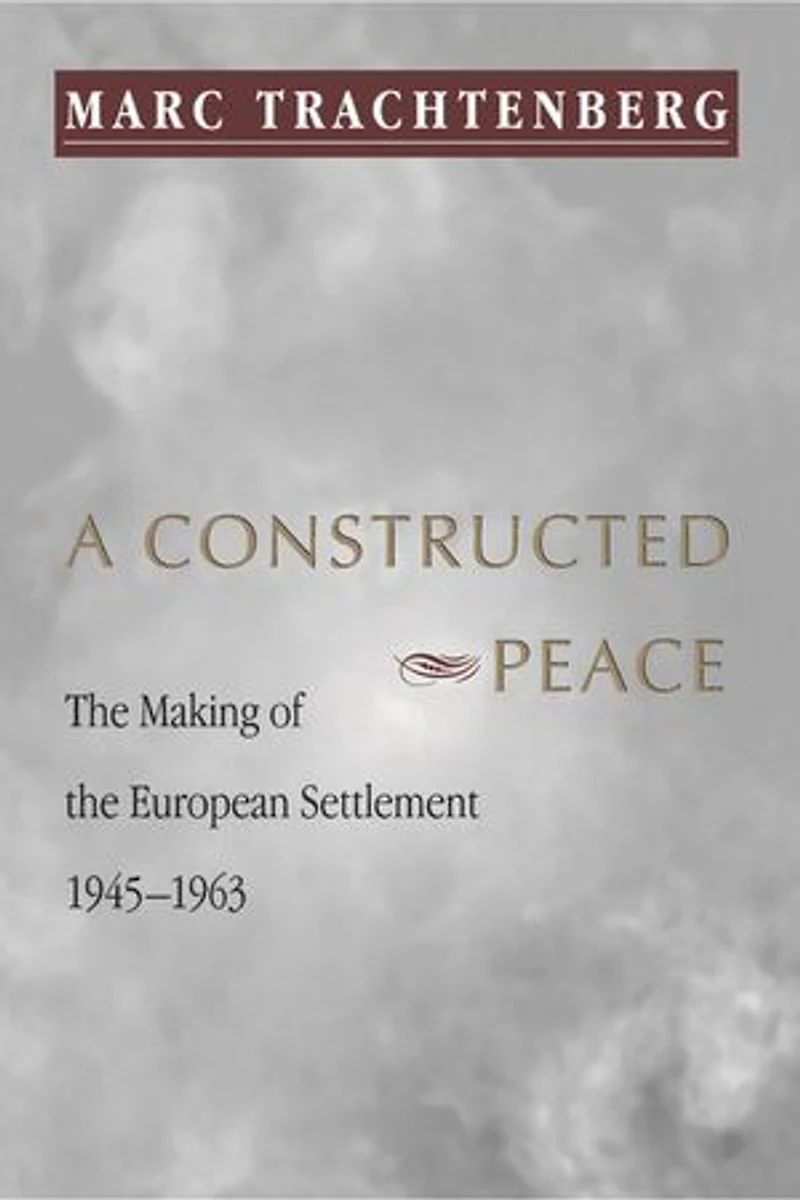
A Constructed Peace: the Making of European Settlement, 1945-1963 in Grande Prairie, AB
Current price: $66.29
Original price: $82.79
Coles
A Constructed Peace: the Making of European Settlement, 1945-1963 in Grande Prairie, AB
Current price: $66.29
Original price: $82.79
Loading Inventory...
Size: Kobo eBook
*Product information and pricing may vary - to confirm current pricing, availability, shipping, and return information please contact Coles. In the event of a pricing discrepancy, the retailer's price will apply.
People still think of the Cold War as a simple two-sided conflict, a kind of gigantic arm wrestle on a global scale," writes Marc Trachtenberg, "but this view fails to grasp the essence of what was really going on." America and Russia were both willing to live with the status quo in Europe. What then could have generated the kind of conflict that might have led to a nuclear holocaust? This is the great puzzle of the Cold War, and in this book, the product of nearly twenty years of work, Trachtenberg tries to solve it.
The answer, he says, has to do with the German question, especially with the German nuclear question. These issues lay at the heart of the Cold War, and a relatively stable peace took shape only when they were resolved. The book develops this argument by telling a story--a complex story involving many issues of detail, but focusing always on the central question of how a stable international system came into being during the Cold War period. A Constructed Peace will be of interest not just to students of the Cold War, but to people concerned with the problem of war and peace, and in particular with the question of how a stable international order can be constructed, even in our own day.
People still think of the Cold War as a simple two-sided conflict, a kind of gigantic arm wrestle on a global scale," writes Marc Trachtenberg, "but this view fails to grasp the essence of what was really going on." America and Russia were both willing to live with the status quo in Europe. What then could have generated the kind of conflict that might have led to a nuclear holocaust? This is the great puzzle of the Cold War, and in this book, the product of nearly twenty years of work, Trachtenberg tries to solve it.
The answer, he says, has to do with the German question, especially with the German nuclear question. These issues lay at the heart of the Cold War, and a relatively stable peace took shape only when they were resolved. The book develops this argument by telling a story--a complex story involving many issues of detail, but focusing always on the central question of how a stable international system came into being during the Cold War period. A Constructed Peace will be of interest not just to students of the Cold War, but to people concerned with the problem of war and peace, and in particular with the question of how a stable international order can be constructed, even in our own day.
You May Also Like








Find at Prairie Mall in Grande Prairie, AB
Visit at Prairie Mall in Grande Prairie, AB