


Gifting Made Simple
Give the Gift of ChoiceClick below to purchase a Prairie Mall eGift Card that can be used at participating retailers at Prairie Mall.Buy Gift CardHome
A Companion to Late Antique and Medieval Islamic Cordoba: Capital of Roman Baetica and Caliphate of Al-Andalus
Coles
Loading Inventory...
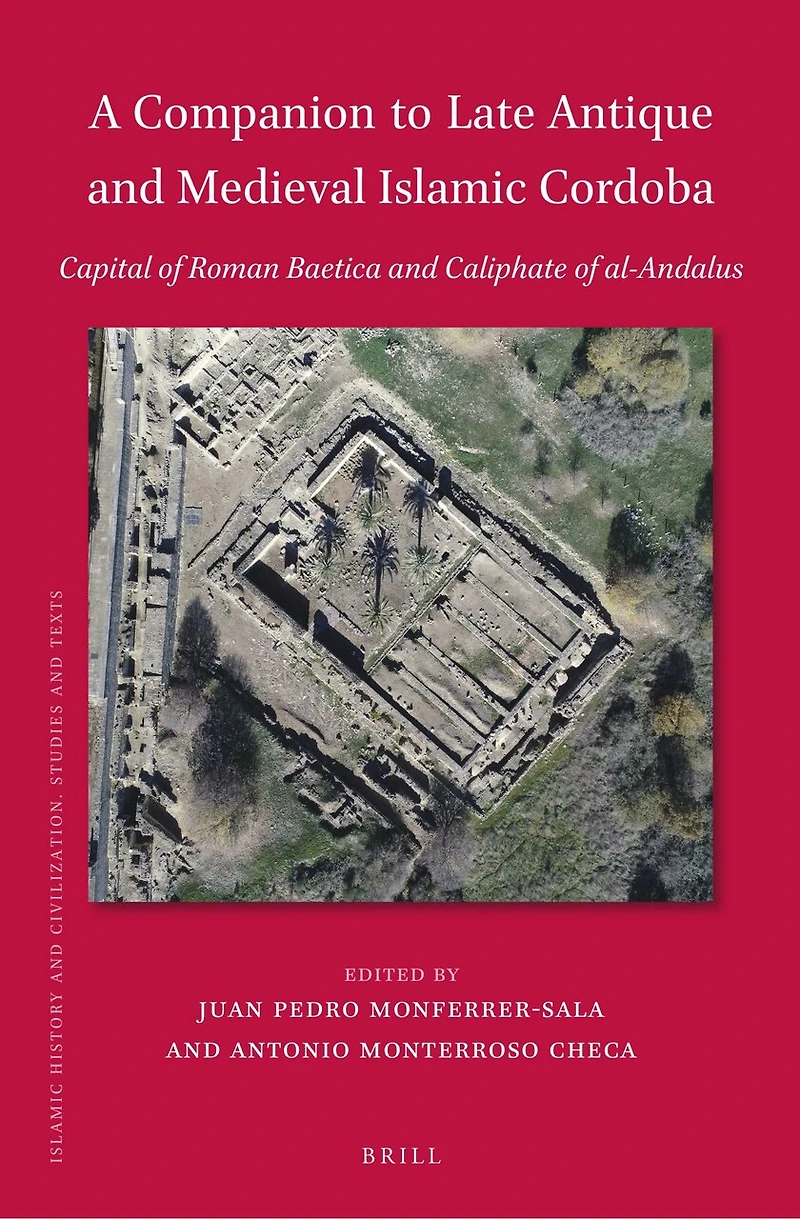
A Companion to Late Antique and Medieval Islamic Cordoba: Capital of Roman Baetica and Caliphate of Al-Andalus in Grande Prairie, AB
Current price: $261.99
Coles
A Companion to Late Antique and Medieval Islamic Cordoba: Capital of Roman Baetica and Caliphate of Al-Andalus in Grande Prairie, AB
Current price: $261.99
Loading Inventory...
Size: Hardcover
*Product information and pricing may vary - to confirm current pricing, availability, shipping, and return information please contact Coles. In the event of a pricing discrepancy, the retailer's price will apply.
A Companion to Late Antique and Medieval Islamic Cordoba cover the history and culture of Roman, late antique, Visigoth and al-Andalus Cordoba in nineteen contributions, from the foundation of the city in the 169/168 B.C. by the praetor Marcus Claudius Marcellus to the end of the Muslim period in 1236 B.C., when the city fell into the hands of Ferdinand III the Saint, King of Castile.
Making use of archaeological data and historical sources, combined with the latest research on the various fields under study, its authors give a compelling account of Cordoba’s most important archaeological, urban, political, legal, social, cultural and religious facets throughout the most exciting fifteen centuries of the city.
A Companion to Late Antique and Medieval Islamic Cordoba cover the history and culture of Roman, late antique, Visigoth and al-Andalus Cordoba in nineteen contributions, from the foundation of the city in the 169/168 B.C. by the praetor Marcus Claudius Marcellus to the end of the Muslim period in 1236 B.C., when the city fell into the hands of Ferdinand III the Saint, King of Castile.
Making use of archaeological data and historical sources, combined with the latest research on the various fields under study, its authors give a compelling account of Cordoba’s most important archaeological, urban, political, legal, social, cultural and religious facets throughout the most exciting fifteen centuries of the city.
You May Also Like










Find at Prairie Mall in Grande Prairie, AB
Visit at Prairie Mall in Grande Prairie, AB