


Gifting Made Simple
Give the Gift of ChoiceClick below to purchase a Prairie Mall eGift Card that can be used at participating retailers at Prairie Mall.Buy Gift CardHome
90,000 Tons of Diplomacy: How the U.S. Navy Supports Naval Aviation
Coles
Loading Inventory...
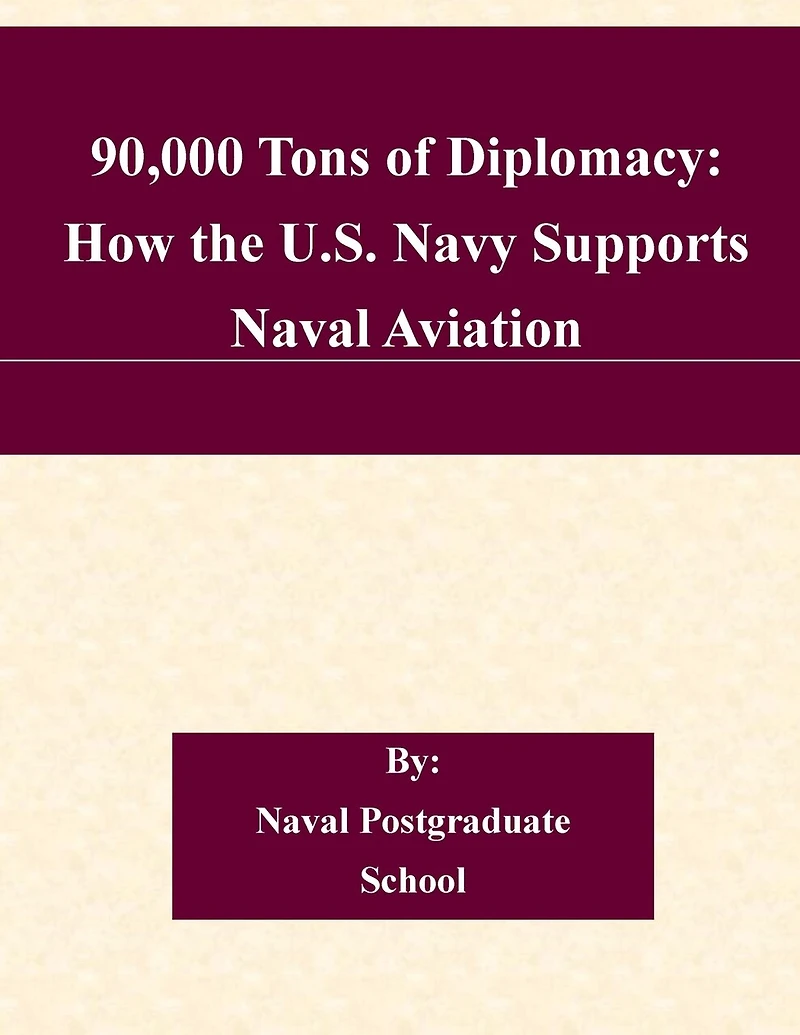
90,000 Tons of Diplomacy: How the U.S. Navy Supports Naval Aviation in Grande Prairie, AB
Current price: $16.95
Coles
90,000 Tons of Diplomacy: How the U.S. Navy Supports Naval Aviation in Grande Prairie, AB
Current price: $16.95
Loading Inventory...
Size: Paperback
*Product information and pricing may vary - to confirm current pricing, availability, shipping, and return information please contact Coles. In the event of a pricing discrepancy, the retailer's price will apply.
With the demise of Soviet Union, the U.S. Navy found itself without an adversary that could challenge its conventional war-fighting capability. It sought relevance and had to decide where to accept budgetary reductions. Abandoning high-dollar weapon systems and accompanying tactics became a tough issue. Throughout the cutbacks, naval aviation remained at the heart of the Navy's force. Naval aviation received support even though much of its capability outpaced all potential adversaries. Critics cite the cost of the aircraft carrier fleet relative to the missions the Navy now performs, and the steady improvement in anti-access weapons as reasons to invest in other technologies or decrease carrier numbers. Many now question whether the nation uses and operates the carrier force effectively. Nevertheless, naval aviation continues to provide the United States with a strong and creditable (although conventional and expensive) ability to accomplish America's worldwide commitment and conduct contingency operations.
With the demise of Soviet Union, the U.S. Navy found itself without an adversary that could challenge its conventional war-fighting capability. It sought relevance and had to decide where to accept budgetary reductions. Abandoning high-dollar weapon systems and accompanying tactics became a tough issue. Throughout the cutbacks, naval aviation remained at the heart of the Navy's force. Naval aviation received support even though much of its capability outpaced all potential adversaries. Critics cite the cost of the aircraft carrier fleet relative to the missions the Navy now performs, and the steady improvement in anti-access weapons as reasons to invest in other technologies or decrease carrier numbers. Many now question whether the nation uses and operates the carrier force effectively. Nevertheless, naval aviation continues to provide the United States with a strong and creditable (although conventional and expensive) ability to accomplish America's worldwide commitment and conduct contingency operations.
You May Also Like


















Find at Prairie Mall in Grande Prairie, AB
Visit at Prairie Mall in Grande Prairie, AB