


Gifting Made Simple
Give the Gift of ChoiceClick below to purchase a Prairie Mall eGift Card that can be used at participating retailers at Prairie Mall.Buy Gift CardHome
200 More Puzzling Physics Problems: With Hints And Solutions
Coles
Loading Inventory...
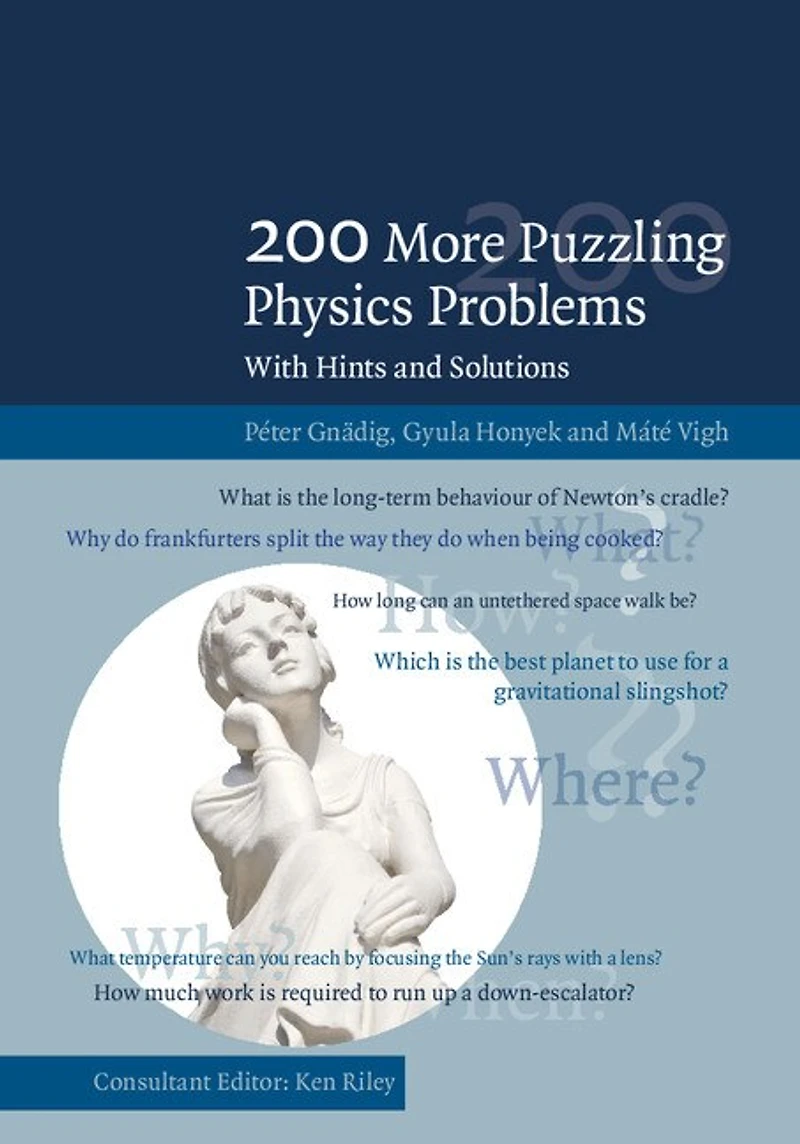
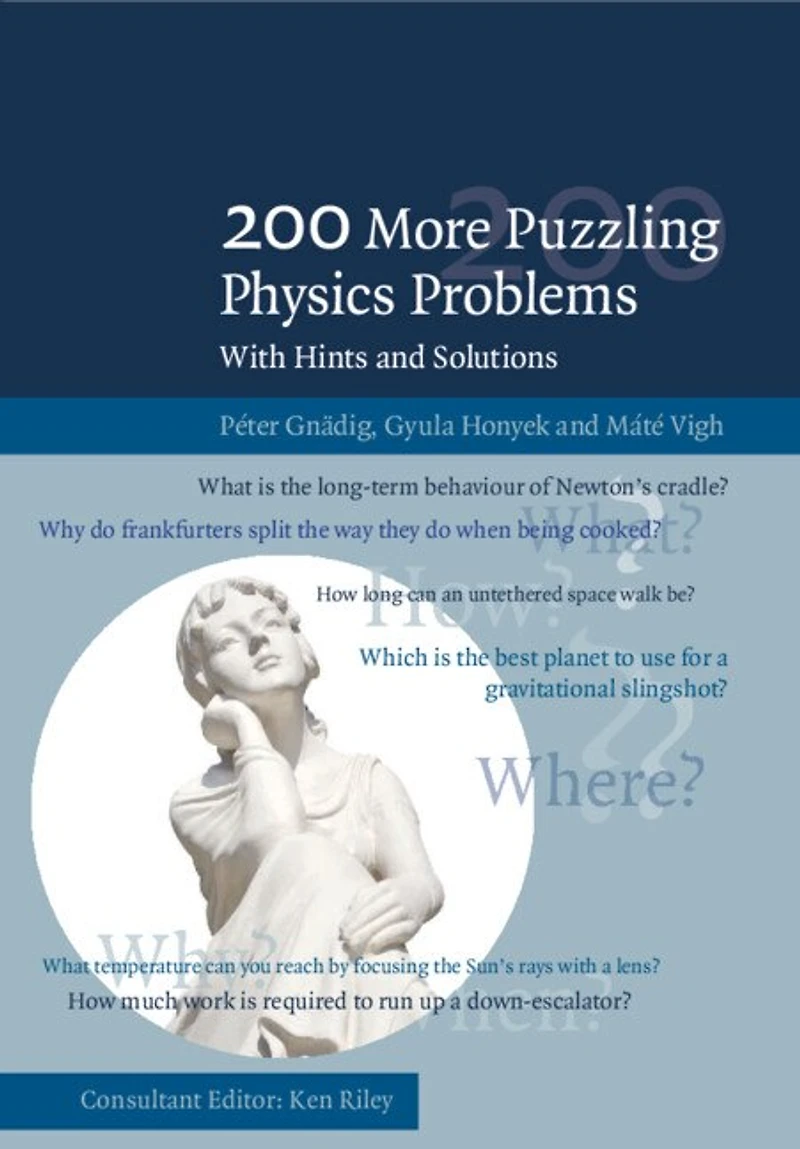
200 More Puzzling Physics Problems: With Hints And Solutions in Grande Prairie, AB
Current price: $97.95
Coles
200 More Puzzling Physics Problems: With Hints And Solutions in Grande Prairie, AB
Current price: $97.95
Loading Inventory...
Size: Hardcover
*Product information and pricing may vary - to confirm current pricing, availability, shipping, and return information please contact Coles. In the event of a pricing discrepancy, the retailer's price will apply.
Like its predecessor, 200 Puzzling Physics Problems, this book is aimed at strengthening students' grasp of the laws of physics by applying them to situations that are practical, and to problems that yield more easily to intuitive insight than to brute-force methods and complex mathematics. The problems are chosen almost exclusively from classical, non-quantum physics, but are no easier for that. They are intriguingly posed in accessible non-technical language, and require readers to select an appropriate analysis framework and decide which branches of physics are involved. The general level of sophistication needed is that of the exceptional school student, the good undergraduate, or the competent graduate student; some physics professors may find some of the more difficult questions challenging. By contrast, the mathematical demands are relatively minimal, and seldom go beyond elementary calculus. This further book of physics problems is not only instructive and challenging, but also enjoyable.
Like its predecessor, 200 Puzzling Physics Problems, this book is aimed at strengthening students' grasp of the laws of physics by applying them to situations that are practical, and to problems that yield more easily to intuitive insight than to brute-force methods and complex mathematics. The problems are chosen almost exclusively from classical, non-quantum physics, but are no easier for that. They are intriguingly posed in accessible non-technical language, and require readers to select an appropriate analysis framework and decide which branches of physics are involved. The general level of sophistication needed is that of the exceptional school student, the good undergraduate, or the competent graduate student; some physics professors may find some of the more difficult questions challenging. By contrast, the mathematical demands are relatively minimal, and seldom go beyond elementary calculus. This further book of physics problems is not only instructive and challenging, but also enjoyable.
You May Also Like










Find at Prairie Mall in Grande Prairie, AB
Visit at Prairie Mall in Grande Prairie, AB