


Gifting Made Simple
Give the Gift of ChoiceClick below to purchase a Prairie Mall eGift Card that can be used at participating retailers at Prairie Mall.Buy Gift CardHome
1970s Feminisms
Coles
Loading Inventory...
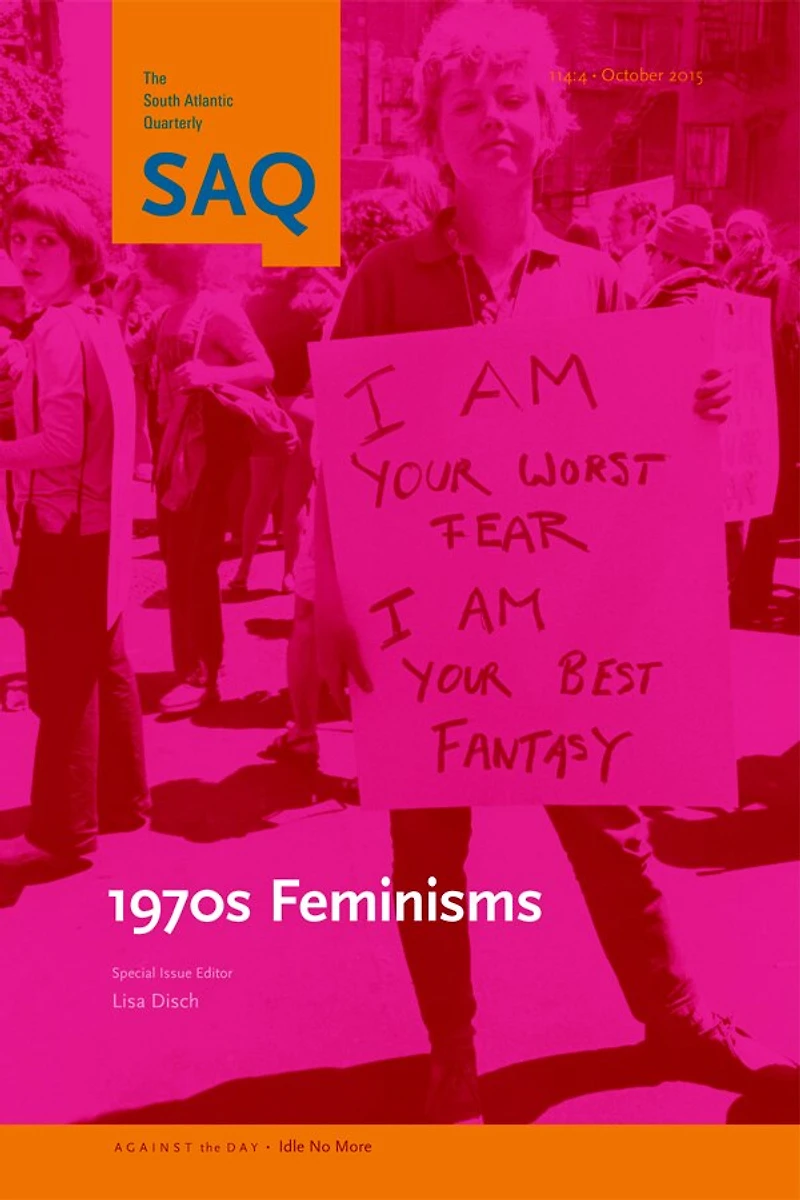
1970s Feminisms in Grande Prairie, AB
Current price: $20.95
Coles
1970s Feminisms in Grande Prairie, AB
Current price: $20.95
Loading Inventory...
Size: Paperback
*Product information and pricing may vary - to confirm current pricing, availability, shipping, and return information please contact Coles. In the event of a pricing discrepancy, the retailer's price will apply.
For more than a decade, feminist historians and historiographers have engaged in challenging the "third wave" portrait of 1970s feminism as essentialist, white, middle-class, uninterested in racism, and theoretically naive. This task has involved setting the record straight about women's liberation by interrogating how that image took hold in the public imagination and among academic feminists. This issue invites feminist theorists to return to women's liberation-to the texts, genres, and cultural productions to which the movement gave rise-for a more nuanced look at its conceptual and political consequences. The essays in this issue explore such topics as the ambivalent legacies of women's liberation; the production of feminist subjectivity in mass culture and abortion documentaries; the political effects of archiving Chicana feminism; and conceptual and generic innovations in the work of Gayle Rubin, Christine Delphy, and Shulamith Firestone.
For more than a decade, feminist historians and historiographers have engaged in challenging the "third wave" portrait of 1970s feminism as essentialist, white, middle-class, uninterested in racism, and theoretically naive. This task has involved setting the record straight about women's liberation by interrogating how that image took hold in the public imagination and among academic feminists. This issue invites feminist theorists to return to women's liberation-to the texts, genres, and cultural productions to which the movement gave rise-for a more nuanced look at its conceptual and political consequences. The essays in this issue explore such topics as the ambivalent legacies of women's liberation; the production of feminist subjectivity in mass culture and abortion documentaries; the political effects of archiving Chicana feminism; and conceptual and generic innovations in the work of Gayle Rubin, Christine Delphy, and Shulamith Firestone.
You May Also Like








Find at Prairie Mall in Grande Prairie, AB
Visit at Prairie Mall in Grande Prairie, AB