


Gifting Made Simple
Give the Gift of ChoiceClick below to purchase a Prairie Mall eGift Card that can be used at participating retailers at Prairie Mall.Buy Gift CardHome
1860-1866
Coles
Loading Inventory...
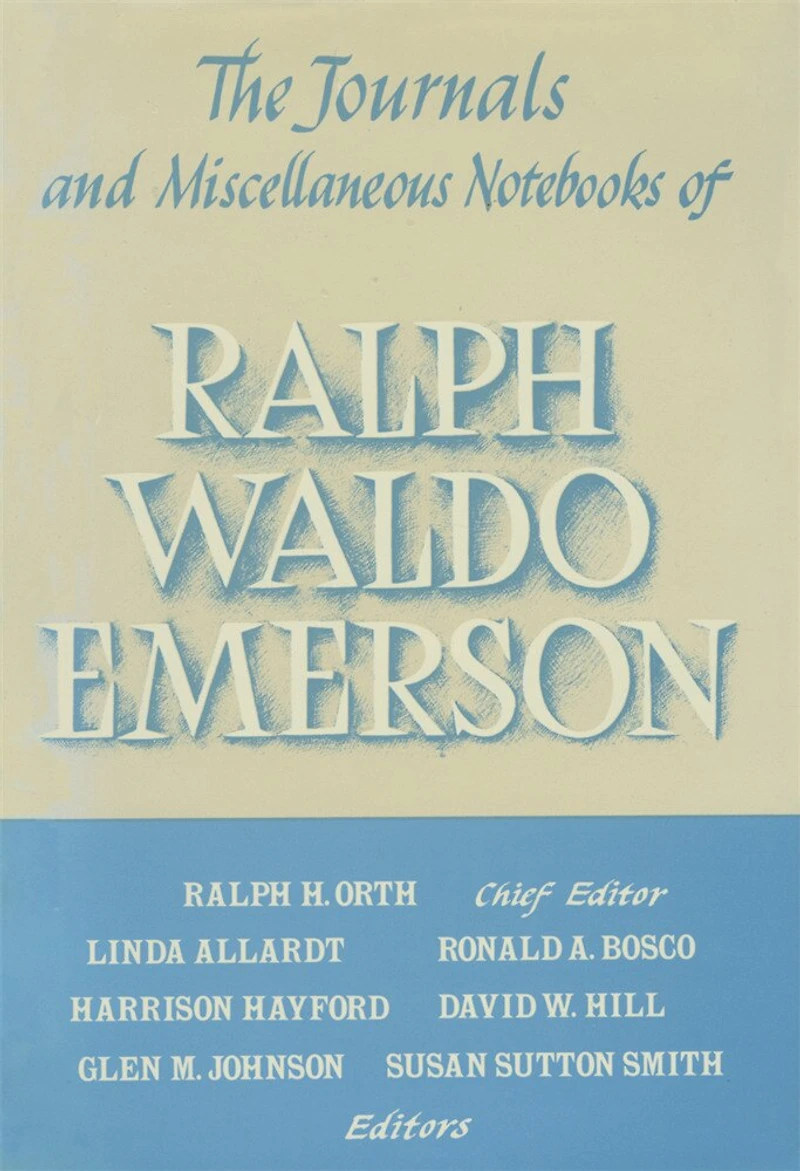
1860-1866 in Grande Prairie, AB
Current price: $210.00
Coles
1860-1866 in Grande Prairie, AB
Current price: $210.00
Loading Inventory...
Size: Hardcover
*Product information and pricing may vary - to confirm current pricing, availability, shipping, and return information please contact Coles. In the event of a pricing discrepancy, the retailer's price will apply.
The Civil War is a pervasive presence in the journals in this volume. “The war searches character,” Ralph Waldo Emerson wrote. Both his reading and his writing reflected his concern for the endurance of the nation, whose strength lay in the moral strength of the people. He read military biographies and memoirs, while turning again to Persian, Chinese, and Indian literature. The deaths of Clough, Thoreau, Hawthorne, and his aunt Mary Moody Emerson prompted him to reread their letters and journals, remembering and reappraising.
These were stirring, poignant years for Emerson. The times were hard, his lecturing was curtailed, and a new book seemed out of the question. He felt the losses, fears, and frustrations that come to those who believe in a cause they are too old to fight for. But his respected position as a man of letters brought him some unusual experiences, such as a trip to Washington in which he met President Lincoln, Secretaries Seward and Chase, and other key figures in the government. Inspecting West Point as a member of the Board of Visitors, he was deeply impressed by the character and spartan training of the cadets who were soon to see action.
At the war’s end, busy again with a heavy lecture schedule and feeling his age a little, he took a long look back at the conflict and concluded that war “heals a deeper wound than any it makes.”
The Civil War is a pervasive presence in the journals in this volume. “The war searches character,” Ralph Waldo Emerson wrote. Both his reading and his writing reflected his concern for the endurance of the nation, whose strength lay in the moral strength of the people. He read military biographies and memoirs, while turning again to Persian, Chinese, and Indian literature. The deaths of Clough, Thoreau, Hawthorne, and his aunt Mary Moody Emerson prompted him to reread their letters and journals, remembering and reappraising.
These were stirring, poignant years for Emerson. The times were hard, his lecturing was curtailed, and a new book seemed out of the question. He felt the losses, fears, and frustrations that come to those who believe in a cause they are too old to fight for. But his respected position as a man of letters brought him some unusual experiences, such as a trip to Washington in which he met President Lincoln, Secretaries Seward and Chase, and other key figures in the government. Inspecting West Point as a member of the Board of Visitors, he was deeply impressed by the character and spartan training of the cadets who were soon to see action.
At the war’s end, busy again with a heavy lecture schedule and feeling his age a little, he took a long look back at the conflict and concluded that war “heals a deeper wound than any it makes.”
You May Also Like








Find at Prairie Mall in Grande Prairie, AB
Visit at Prairie Mall in Grande Prairie, AB