


Gifting Made Simple
Give the Gift of ChoiceClick below to purchase a Prairie Mall eGift Card that can be used at participating retailers at Prairie Mall.Buy Gift CardHome
1000 Vegan Recipes
Coles
Loading Inventory...
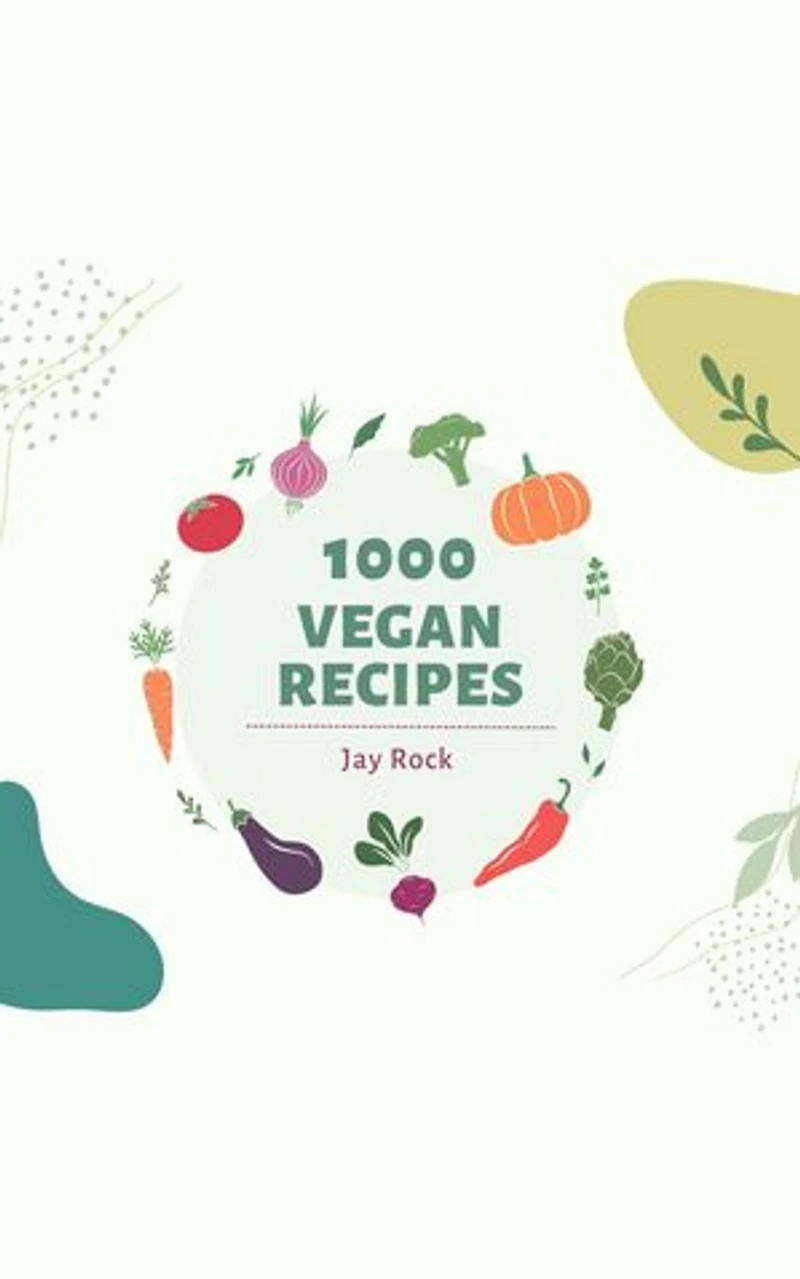
1000 Vegan Recipes in Grande Prairie, AB
Current price: $33.99
Coles
1000 Vegan Recipes in Grande Prairie, AB
Current price: $33.99
Loading Inventory...
Size: Kobo eBook
*Product information and pricing may vary - to confirm current pricing, availability, shipping, and return information please contact Coles. In the event of a pricing discrepancy, the retailer's price will apply.
A vegan diet excludes all animal products, including meat, dairy, eggs, and even honey. Here's a general overview of what a vegan diet typically includes:
**Fruits and Vegetables:** These are the foundation of a vegan diet and provide essential vitamins, minerals, and fiber.
**Grains:** Whole grains such as quinoa, brown rice, oats, barley, and whole wheat are staples in a vegan diet, providing energy and nutrients like fiber and B vitamins.
**Legumes:** Beans, lentils, chickpeas, and other legumes are excellent sources of protein, fiber, and various vitamins and minerals.
**Nuts and Seeds:** These provide healthy fats, protein, and essential nutrients. Examples include almonds, walnuts, chia seeds, flaxseeds, and hemp seeds.
**Plant-Based Protein Sources:** Tofu, tempeh, seitan, and edamame are common sources of protein for vegans.
**Plant-Based Milk Alternatives:** Instead of dairy milk, vegans often use almond milk, soy milk, coconut milk, or oat milk.
**Healthy Fats:** Avocados, coconut oil, olive oil, and nut butters are sources of healthy fats in a vegan diet.
**Herbs, Spices, and Flavorings:** These add flavor to vegan dishes without relying on animal products.
It's essential for vegans to pay attention to certain nutrients like vitamin B12, vitamin D, omega-3 fatty acids, iron, calcium, and zinc, as these may be lacking in a vegan diet and may need to be supplemented or consumed through fortified foods. Additionally, variety is key to ensure a balanced intake of nutrients.
A vegan diet excludes all animal products, including meat, dairy, eggs, and even honey. Here's a general overview of what a vegan diet typically includes:
**Fruits and Vegetables:** These are the foundation of a vegan diet and provide essential vitamins, minerals, and fiber.
**Grains:** Whole grains such as quinoa, brown rice, oats, barley, and whole wheat are staples in a vegan diet, providing energy and nutrients like fiber and B vitamins.
**Legumes:** Beans, lentils, chickpeas, and other legumes are excellent sources of protein, fiber, and various vitamins and minerals.
**Nuts and Seeds:** These provide healthy fats, protein, and essential nutrients. Examples include almonds, walnuts, chia seeds, flaxseeds, and hemp seeds.
**Plant-Based Protein Sources:** Tofu, tempeh, seitan, and edamame are common sources of protein for vegans.
**Plant-Based Milk Alternatives:** Instead of dairy milk, vegans often use almond milk, soy milk, coconut milk, or oat milk.
**Healthy Fats:** Avocados, coconut oil, olive oil, and nut butters are sources of healthy fats in a vegan diet.
**Herbs, Spices, and Flavorings:** These add flavor to vegan dishes without relying on animal products.
It's essential for vegans to pay attention to certain nutrients like vitamin B12, vitamin D, omega-3 fatty acids, iron, calcium, and zinc, as these may be lacking in a vegan diet and may need to be supplemented or consumed through fortified foods. Additionally, variety is key to ensure a balanced intake of nutrients.
You May Also Like
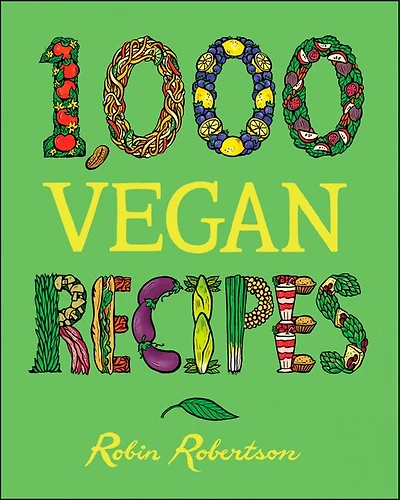
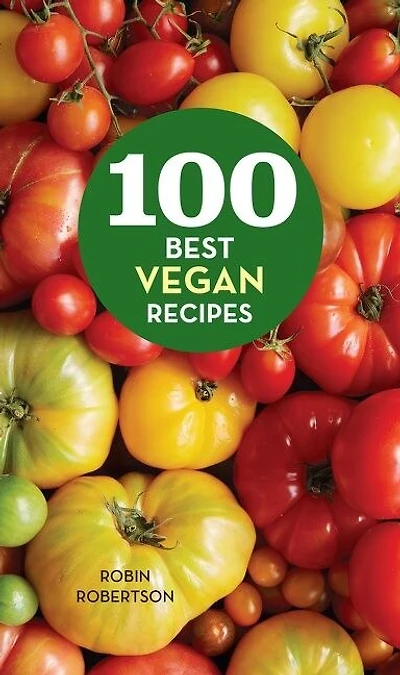
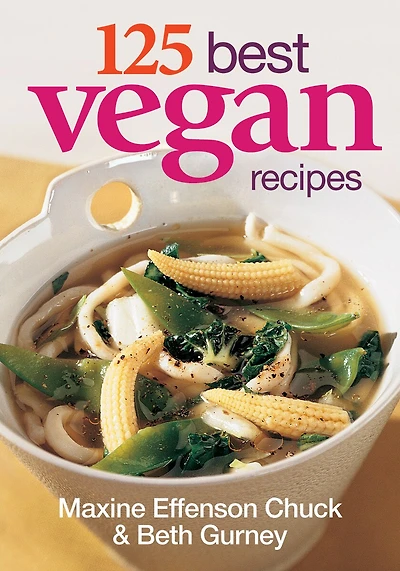








Find at Prairie Mall in Grande Prairie, AB
Visit at Prairie Mall in Grande Prairie, AB